Understanding Equipment Transport: An Overview
What is Equipment Transport?
Equipment transport refers to the process of moving heavy machinery and tools from one location to another, often necessitating specialized vehicles and expertise. This service is crucial across various industries, particularly in construction, agriculture, and manufacturing, where precise logistics and safe handling of large items are essential. For companies in these fields, effective equipment transport is paramount for operational efficiency and project success.
Importance of Equipment Transport in Construction
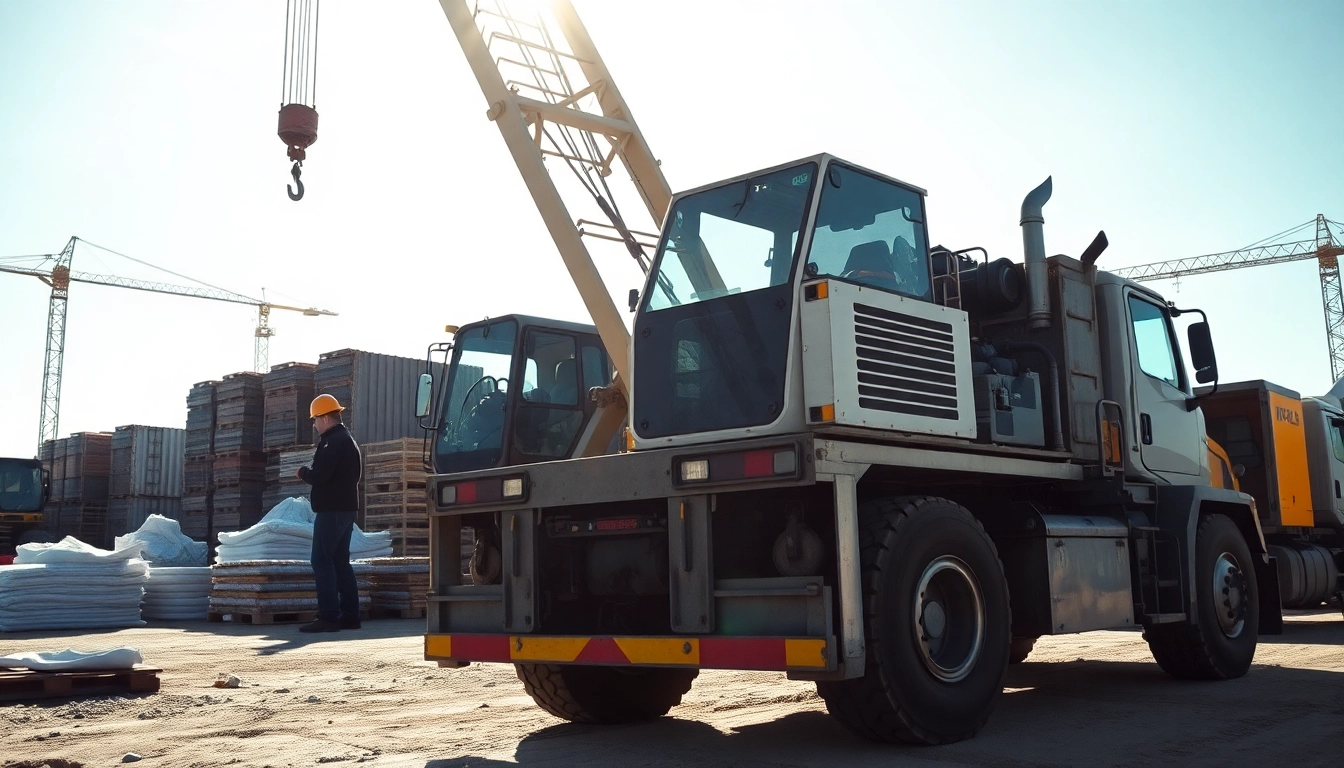
The construction industry heavily relies on equipment transport to maintain timelines and efficiency. When machinery such as bulldozers, excavators, and cranes need to be relocated to job sites, the effectiveness of their transport can mean the difference between sticking to a schedule or facing costly delays. Moreover, adequate equipment transport also enhances safety by ensuring that machinery is handled correctly and securely during transit, thereby reducing the risks of accidents and damages.
Types of Equipment Transport Services
Various types of equipment transport services cater to different needs within industries. They generally include:
- Flatbed Transportation: Ideal for oversized and heavy machinery. Flatbed trucks provide a versatile option for loading and unloading.
- Enclosed Transport: For valuable equipment that requires protection from elements. This service ensures that machinery stays clean and secure.
- Heavy Hauling: Specifically designed for transporting extremely heavy loads, often necessitating specialized trailers and permits.
- Container Shipping: Used for moving equipment internationally or across long distances with safety and security in mind.
Key Considerations for Equipment Transport
Choosing the Right Equipment Transport Provider
When selecting a transport provider, consider key factors, like industry experience, fleet capabilities, and safety records. Look for companies with a proven track record of handling the specific types of machinery you need moved. Additionally, obtaining multiple quotes ensures you find a service that not only meets your needs but does so within your budget.
Factors Impacting Equipment Transport Costs
Many variables can influence the cost of equipment transport. These include:
- Distance: Longer hauls generally cost more due to fuel and time requirements.
- Type of Equipment: Heavier or oversized equipment may require special handling and permits, increasing costs.
- Seasonal Factors: Weather conditions can impact routes and transit times, affecting overall pricing.
- Add-On Services: Additional services such as loading, unloading, and storage can also add to the final cost.
Essential Safety Measures in Equipment Transport
Safety should always be a top priority in equipment transport. Companies should implement rigorous safety protocols that include:
- Regular inspections of equipment and transport vehicles.
- Ensuring proper loading techniques to prevent shifting during transit.
- Training personnel on safe handling and transport methods.
- Using the appropriate securing equipment, like straps and chains, to prevent movement.
Best Practices for Efficient Equipment Transport
Planning Equipment Transport Logistics
Effective logistics planning is critical for timely equipment transport. This involves determining an optimal route, accounting for potential obstacles, and scheduling transport during off-peak hours to minimize delays. Consideration must also be given to local regulations regarding heavy loads to avoid legal issues or fines.
Coordination Between Sites and Transport Providers
Strong communication between job sites and transport providers can streamline schedules and enhance transportation efficiency. Regular updates and check-ins ensure both parties are aligned, reducing the risk of misunderstandings that could lead to delays or additional costs.
Utilizing Technology for Enhanced Transport Management
Technology plays an increasingly vital role in equipment transport. Advanced logistics software can provide real-time tracking, route optimization, and communication tools that increase transparency and efficiency throughout the transport process. Many companies now leverage GPS technology and telematics to monitor vehicle health and efficiency, allowing for proactive maintenance and route adjustments on the fly.
Common Challenges in Equipment Transport
Dealing with Size and Weight Restrictions
One of the most prevalent challenges in equipment transport is navigating the legal restrictions associated with size and weight limits on different roadways. Transport providers must familiarize themselves with local regulations to avoid fines and ensure compliance when planning routes and selecting appropriate vehicles.
Handling Delays Due to Weather Conditions
Weather can greatly impact transport schedules. Rain, snow, or high winds may necessitate diversions or delays. Establishing flexible transport plans that allow for adjustments due to adverse weather conditions helps mitigate the impact on project timelines.
Mitigating Risks During Equipment Transport
Risk management is essential throughout the equipment transport process. This includes determining the potential for damage during transit and implementing strategies to reduce these risks. Companies should consider insurance options for high-value machinery and regularly evaluate the effectiveness of their transport processes to continuously enhance safety practices.
Future Trends in Equipment Transport Services
Green Initiatives in Equipment Transport
The shift towards sustainability is influencing equipment transport as companies seek to minimize their environmental impact. This includes using fuel-efficient vehicles, optimizing routes for reduced emissions, and adopting eco-friendly materials in packaging and securing equipment. As regulatory bodies increase pressures for greener practices, companies that adopt these initiatives will likely find competitive advantages.
Technological Innovations Transforming Equipment Transport
Emerging technologies like AI and machine learning are transforming the equipment transport landscape. These technologies can enhance load planning, predict optimal transport scenarios, and improve risk assessments through data analysis. Additionally, the rise of mobile applications simplifies management and tracking, making it even easier for businesses to coordinate logistics effectively.
The Rise of Autonomous Equipment Transport Solutions
The future of equipment transport may also include the introduction of autonomous vehicles and drones. These innovations could potentially reduce labor costs, enhance safety, and improve precision in the transport of equipment. As technology continues to progress, the feasibility of these solutions becomes more promising.
Frequently Asked Questions (FAQs)
What factors affect equipment transport costs?
Distance, equipment type, weight, special handling requirements, and seasonal conditions are primary factors affecting costs.
How can I ensure my equipment is transported safely?
Choose a reputable transport provider, conduct regular vehicle inspections, and use secure loading techniques to ensure safety.
What types of equipment can be transported?
A wide variety of machinery including construction, agricultural, and industrial equipment can be transported professionally.
Are there weight restrictions for equipment transport?
Yes, each state has regulations regarding the maximum weight for transporting equipment, which transporters must adhere to.
Can technology help with equipment transport management?
Absolutely. Technology like logistics software and GPS tracking enhances planning, communication, and efficiency in transport management.
Contact Information
Call Us: 4062607988Address: 3906 MT-40, Columbia Falls, MT 59912