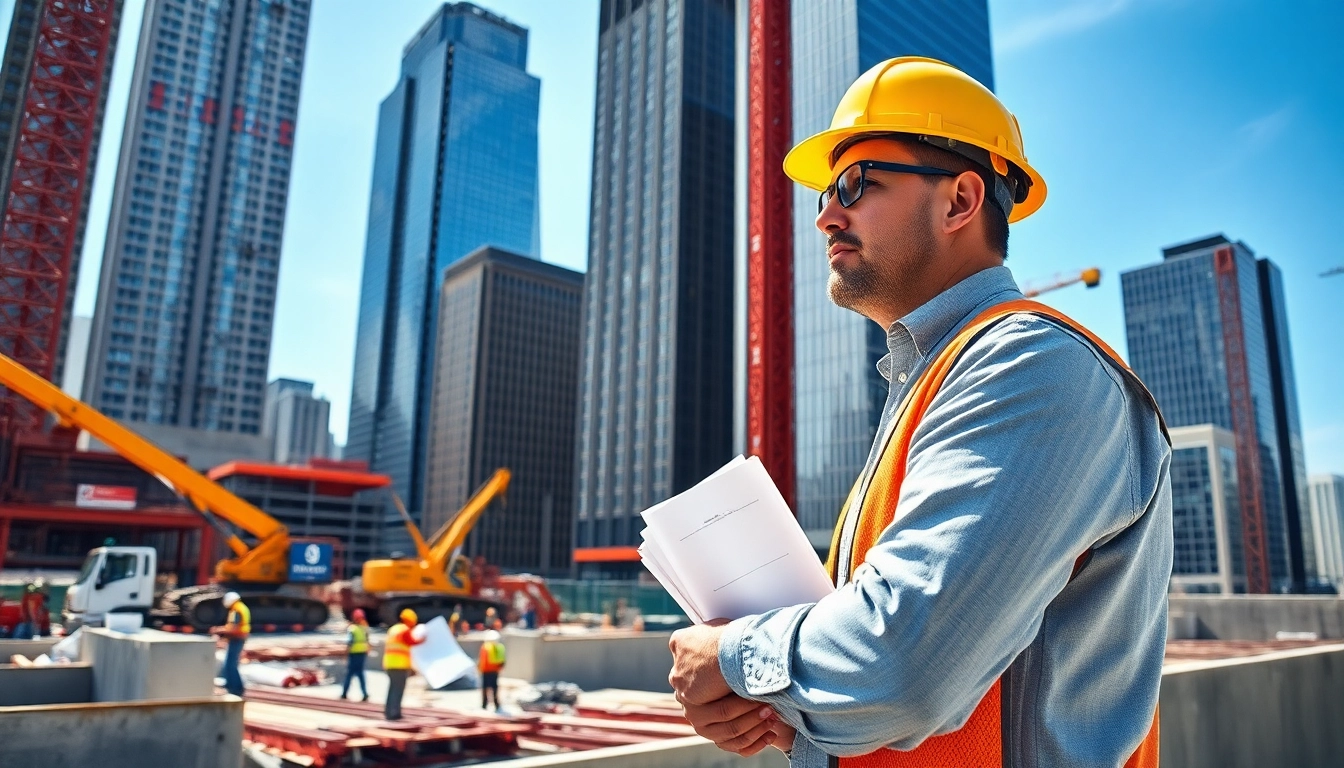
Understanding the Role of a Manhattan Construction Manager
The role of a Manhattan Construction Manager is vital in shaping the skyline of one of the world’s most bustling urban environments. Tasked with overseeing construction projects from conception through completion, these professionals play a pivotal role in ensuring that projects meet both design specifications and budgetary constraints. This section delves into the multifaceted responsibilities of construction managers, the skills required to excel in the role, and their critical importance in urban development.
Key Responsibilities
A Manhattan Construction Manager's responsibilities stretch across various phases of a project. These encompass:
- Project Planning: This involves defining the project scope, setting timelines, and allocating resources effectively. A construction manager must anticipate project needs and structure a comprehensive plan to deliver results on time and within budget.
- Budget Management: Developing and overseeing the budget is crucial. This includes estimating costs, monitoring expenses, and making adjustments as necessary to prevent overruns.
- Coordination of Teams: The construction manager acts as the central hub for communication between architects, engineers, subcontractors, and other stakeholders. They ensure that all parties are aligned with the project goals and timelines.
- Quality Control: Ensuring that all construction is done to the highest standards, the construction manager walks the site to monitor progress and quality, addressing any issues that may arise quickly.
- Regulatory Compliance: Keeping up with local laws and building codes is essential. A construction manager must ensure that the project adheres to all regulations, often coordinating with city officials for inspections and assessments.
Essential Skills Required
The distinctive nature of construction management in Manhattan demands a specialized skill set:
- Leadership: Effective leadership is paramount, as construction managers are responsible for overseeing diverse teams and mediating conflicts.
- Communication: Clear communication skills are necessary for conveying complex information to various stakeholders succinctly and understandably.
- Problem-Solving: The ability to solve problems on the fly is critical, especially in a rapidly changing environment like construction.
- Technical Proficiency: Familiarity with construction materials, methods, and technologies is crucial for informed decision-making.
- Project Management Software: Mastery in software tools for scheduling, budgeting, and reporting enhances a manager's ability to execute project plans effectively.
Importance in Urban Development
The influence of a Manhattan Construction Manager goes beyond individual projects. They contribute to urban development in several meaningful ways:
- Urban Renewal: Construction projects often lead to rejuvenation of neighborhoods, transforming old structures into vibrant commercial and residential spaces.
- Infrastructure Improvement: Major developments can enhance public infrastructure, benefiting entire communities through improved services and accessibility.
- Job Creation: Each construction project generates employment opportunities, contributing significantly to the local economy.
Challenges Faced by Manhattan Construction Managers
While the role is rewarding, it comes with its fair share of challenges. Understanding these obstacles is crucial for prospective construction managers as they prepare for this dynamic environment.
Urban Logistics and Site Management
Managing logistics in an urban environment like Manhattan can be particularly challenging. Factors such as:
- Limited space for staging materials
- Heavy traffic congestion
- Noise regulations due to proximity to residential areas
pose significant hurdles in scheduling deliveries and managing workforce movements, necessitating robust planning and flexible solutions.
Regulatory Compliance Issues
Construction managers must navigate a complex web of regulations, including zoning laws, safety codes, and environmental guidelines. This requires staying informed about local and federal laws and often entails substantial paperwork and coordination with regulatory bodies.
Coordination among Various Stakeholders
A construction project typically involves numerous stakeholders, including contractors, suppliers, architects, and city officials. Maintaining clear and open lines of communication among all parties is essential, but can be challenging, particularly as projects scale and merge into multifaceted developments.
Best Practices for Effective Project Management
Employing best practices is fundamental for ensuring successful project management. Here are key strategies that Manhattan Construction Managers can implement:
Planning and Budgeting Strategies
A comprehensive plan begins with accurate cost estimates and a well-devised timeline. Techniques such as:
- Utilizing past project data for comparative analysis
- Engaging with financial experts for budgeting assistance
- Segmenting projects into phases to allow for budget adjustments
help establish a successful financial roadmap.
Communication Tools and Techniques
Robust communication is the backbone of successful project management. Techniques to enhance communication include:
- Implementing Real-Time Updates: Using project management software to provide all stakeholders with up-to-date information.
- Regular Meetings: Scheduling routine check-ins to review progress and address any potential issues swiftly.
- Feedback Loops: Creating mechanisms for input from team members at all levels ensures diverse perspectives are considered.
Risk Management in Urban Construction
Identifying, assessing, and mitigating risks throughout the project lifecycle are essential for successful construction management. Effective strategies include:
- Developing a risk matrix to categorize potential risks by severity and likelihood.
- Regularly reviewing project milestones to identify emerging risks.
- Establishing contingency plans to address identified risks should they materialize.
Technological Advancements Influencing the Industry
The construction industry is increasingly influenced by technological advancements that improve efficiency, safety, and sustainability. Key innovations impacting Manhattan construction management include:
Adoption of Project Management Software
Modern project management software simplifies task allocation, scheduling, budgeting, and communication. By centralizing project information, these tools enhance transparency and aid in decision-making.
Use of Drones and Monitoring Systems
Drones provide aerial perspectives of construction sites, improving site assessments and monitoring progress. This technology allows construction managers to identify issues early and optimize workflows.
Sustainable Construction Practices
Increased emphasis on sustainability has prompted construction managers to adopt green building practices. Utilizing eco-friendly materials, reducing waste, and implementing energy-efficient technologies are strategic priorities that benefit the environment while meeting client demands.
Future Trends in Manhattan Construction Management
Looking toward the future, several trends are poised to shape the role of the Manhattan Construction Manager:
Impact of Smart Technologies
The integration of smart technologies into construction (such as IoT and AI) is revolutionizing project management. These technologies can enhance monitoring, automate tasks, and provide valuable data analytics for more informed decision-making.
Changing Client Expectations
Clients are increasingly driving demands for transparency, sustainability, and innovation in construction projects. The ability to meet and exceed these expectations will define successful project outcomes.
Shifts in Labor Market Dynamics
With evolving workforce dynamics, construction managers may need to adapt not only to technological innovations but also to shifts in labor availability and skill sets. Implementing training programs and focusing on employee retention will be crucial for future competitiveness.
Frequently Asked Questions
What qualifications are needed to become a Manhattan Construction Manager?
A degree in construction management or a related field is typically required, along with relevant experience in construction projects. Certifications such as PMP or LEED can also be beneficial.
How does a Manhattan Construction Manager handle budgeting?
They create detailed budgets based on project estimates, track expenses throughout the project, and adjust allocations as necessary to maintain financial control.
What is the role of technology in construction management?
Technology aids in project planning, monitoring, and communication, improving efficiency and reducing errors. Tools like project management software and drones are increasingly common.
What are common challenges faced by construction managers?
Common challenges include regulatory compliance, managing diverse stakeholders, urban logistics, and ensuring safety on site.
How can a construction manager ensure safety on site?
Implementing robust safety protocols, ensuring team training, and conducting regular safety audits can help maintain a safe construction site.