The Importance of Screen-Free Play
In a world where screens dominate our day-to-day activities, the importance of screen-free play cannot be underestimated. With the rise of digital devices, it can be challenging to encourage children to engage in activities that do not involve screens. Screen-free play fosters creativity, facilitates interpersonal relationships, and encourages physical activity, all of which are essential aspects of healthy child development. To help you and your family navigate this intricate landscape of modern play, let's explore the motivating reasons to embrace screen-free activities and explore innovative options for play. If you would like to find out more about this exciting transition, learn more today.
Benefits of Creative Engagement
Creative engagement allows children to express themselves, explore their imaginations, and learn new skills. It encompasses activities like art, music, storytelling, and constructive play. These activities not only entertain but also develop critical thinking, problem-solving, and fine motor skills. Studies show that children engaged in creative play have better emotional and cognitive development, often leading to improved performance in school and social settings.
How Screen-Free Play Affects Child Development
Screen-free play has a profound impact on child development. Unstructured play encourages exploration and self-discovery, allowing children to learn at their own pace. Interacting with peers in a non-digital environment helps build essential social skills such as communication, empathy, and conflict resolution. Furthermore, physical activities associated with screen-free play promote overall well-being by bolstering physical health and reducing fatigue associated with excessive screen use.
Why Balance is Key
While screens can provide educational benefits and a sense of connection, the key is to strike a balance. Overexposure to screens can lead to behavioral issues, sleep disturbances, and diminished attention spans. By promoting screen-free activities, parents encourage resilience and self-reliance in their children, equipping them with essential life skills. It’s crucial to create a balanced approach where technology complements but does not replace traditional forms of engagement.
Best Types of Screen-Free Toys
Choosing the right toys can make a world of difference in encouraging screen-free play. Selecting engaging, diverse, and educational toys promotes exploration and creativity while keeping children occupied. Let’s delve into some of the best types of screen-free toys that can ignite imagination and curiosity.
Construction and Building Toys
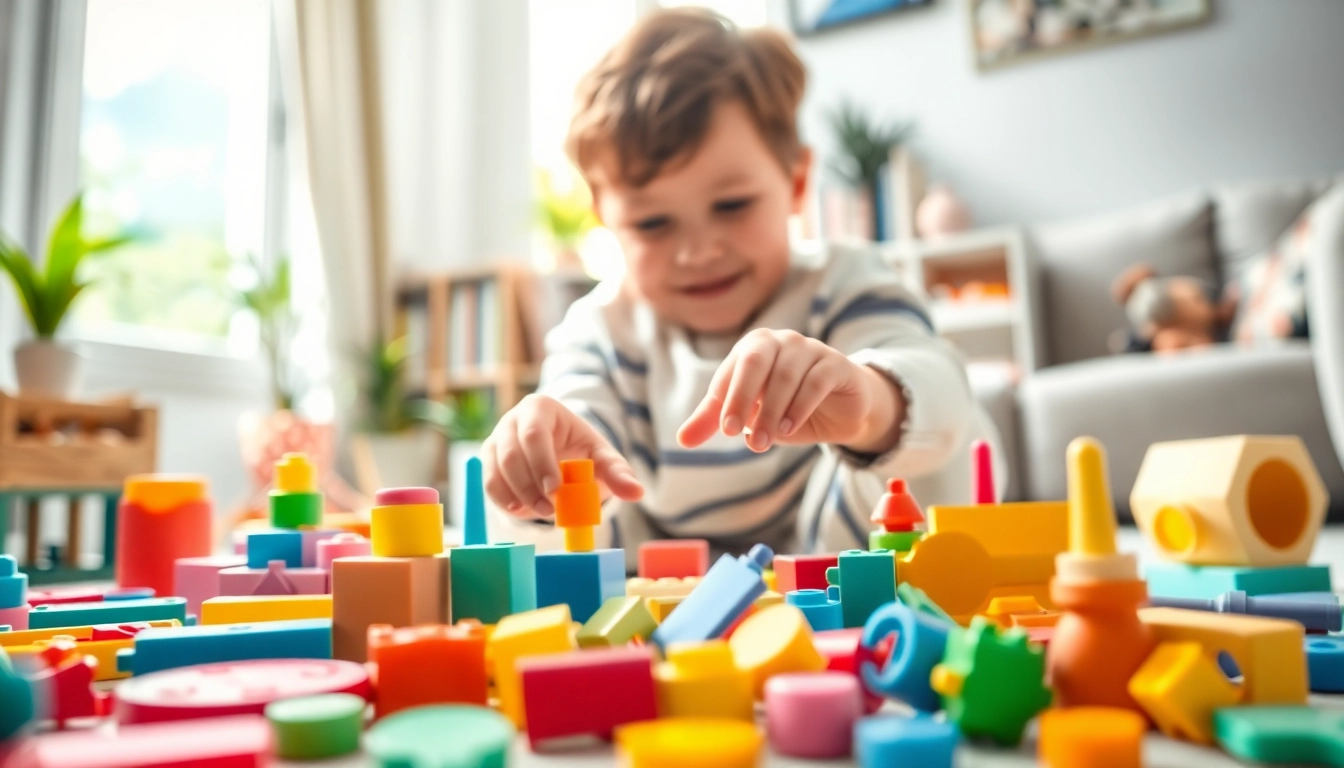
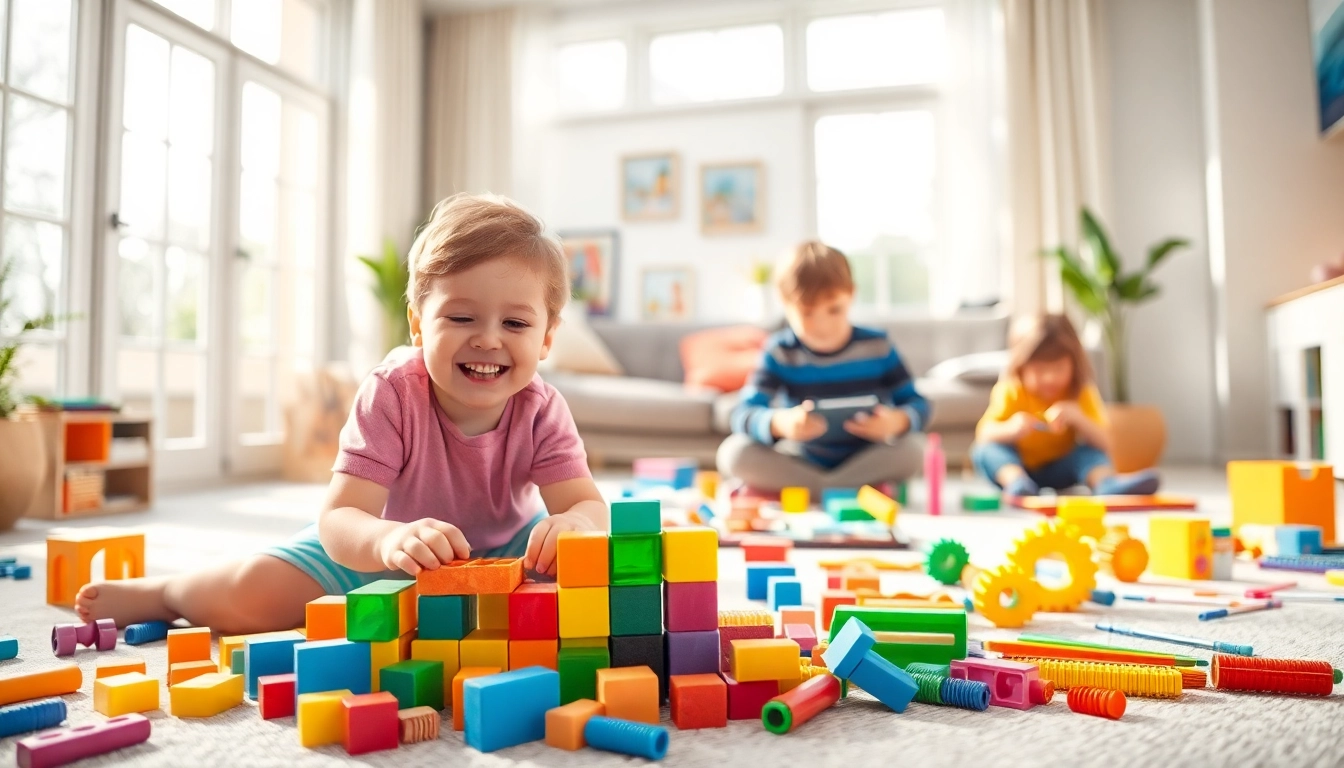
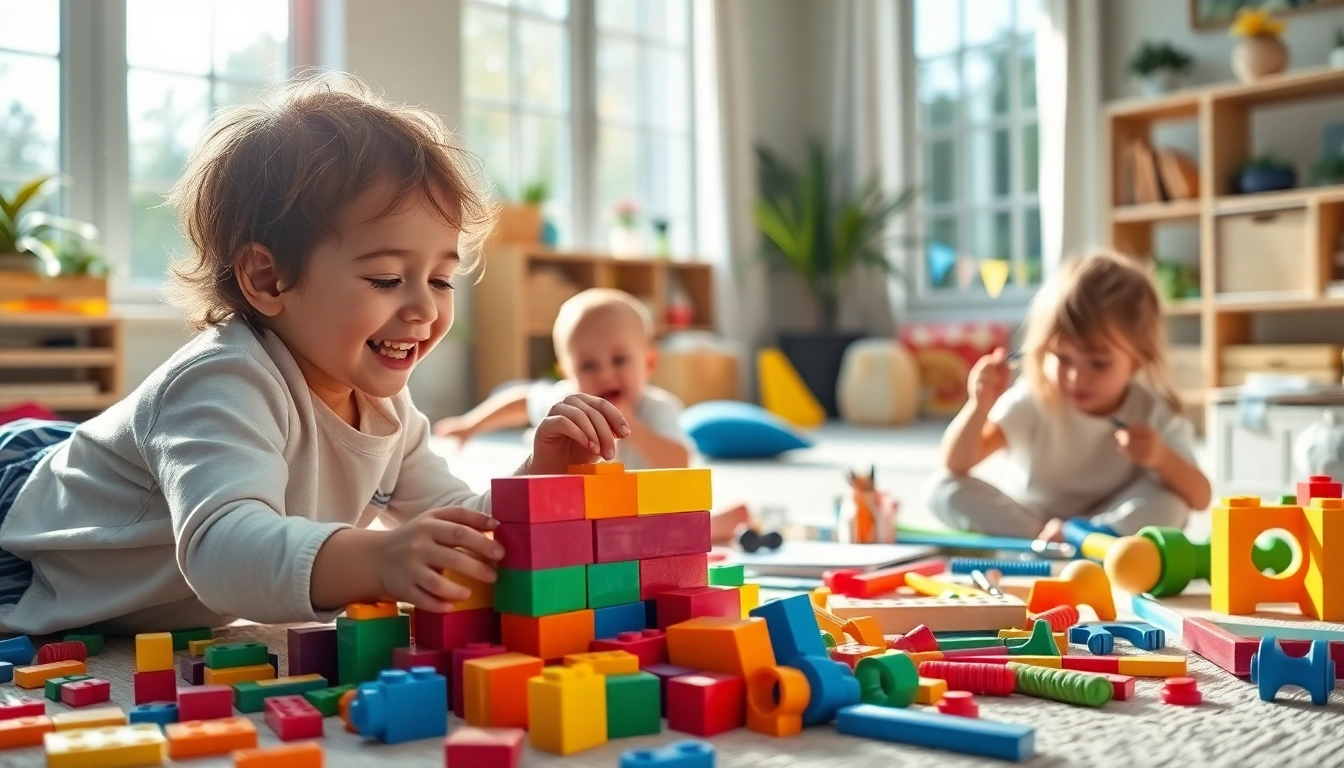
Construction toys, such as building blocks, magnetic tiles, and LEGO sets, stimulate imaginative play and enhance spatial reasoning. They challenge children to think critically and creatively as they build structures and scenarios. These toys promote collaboration through group play and lay the foundation for important skills in engineering and design.
Artistic and Craft Supplies
Art supplies such as paints, colored pencils, and craft kits can unleash children’s creativity. Encouraging artistic expression not only enhances fine motor skills but also fosters emotional intelligence. Crafting projects allow for storytelling through art and can serve as a bonding experience for families when working together.
Puzzles and Games
Puzzles and board games are excellent screen-free options, enhancing cognitive functions such as critical thinking, patience, and teamwork. Games that require strategy or collaboration foster social connection among peers and family members. They provide a fantastic way for families to spend time together while engaging in healthy competition.
Creative Activities to Try at Home
Getting started with screen-free play can feel daunting, but there are countless activities you can try at home. Here are some creative ideas that can keep your kids engaged and entertained without digital distractions.
Incorporating Nature into Play
Nature play involves engaging with the outdoors by exploring natural elements like rocks, trees, and flowers. Activities such as scavenger hunts, nature crafts, and outdoor games promote physical activity while connecting children to their environment. Incorporating natural elements can also stimulate curiosity and foster an appreciation for the world around them.
DIY Craft Ideas to Explore
Craft projects are a fantastic way to use repurposed materials, inviting creativity and sustainability. Whether it's creating art from everyday items like cardboard boxes or designing jewelry from beads, DIY crafts encourage creativity and problem-solving. Such activities allow children to see their ideas come to life and can be shared with family and friends.
Building an Indoor Fort
Building a fort can transform your home into a world of imagination. Using blankets, cushions, and furniture, children can create their own special hideaway. This provides a perfect setting for reading, storytelling, or even playing with toys. Indoor forts inspire cooperative play and nurture collaboration as children work together to build their cozy space.
Making Time for Play a Family Priority
Incorporating screen-free play into your family life is essential to fostering strong family bonds and promoting healthy development. Making play a family priority can create lasting memories and help children develop essential life skills.
Scheduling Screen-Free Time
Establishing specific times for screen-free activities can help set boundaries and expectations. Designating dedicated family playtime or encouraging regular outdoor play can reinforce the importance of mental and physical well-being. By scheduling these activities, families create opportunities for connection and fun.
Engaging Together as a Family
Participating in screen-free play together as a family not only strengthens bonds but also sets a positive example for children. Dedicating time each week for family crafts, game nights, or outings fosters shared experiences and supports emotional growth while demonstrating the value of face-to-face interactions.
Setting a Positive Example
Parents play a crucial role in modeling screen-free behavior. By limiting their own screen time and prioritizing in-person interactions, adults show children the value of engaging in meaningful activities. Demonstrating a balanced lifestyle provides children with the tools to navigate their own relationships with screens in a healthy way.
Frequently Asked Questions About Screen-Free Play
What are the benefits of screen-free toys?
Screen-free toys encourage creativity, critical thinking, and social interactions, all while promoting healthy physical activity. They help children develop essential skills and reduce reliance on screens.
How can I encourage my child to play without screens?
Introduce engaging toys and activities, schedule regular screen-free times, and participate in play alongside your child. Explore nature, craft, or build together to inspire interest.
Are there any recommended toys for creative play?
Construction kits, art supplies, board games, and puzzles are excellent options. These toys promote creativity, collaboration, and cognitive development, essential for all children.
What activities work best for children of different ages?
Younger children enjoy building blocks and sensory play, while older kids might prefer board games and crafting projects. Tailor activities to each child's interest and developmental stage.
How can I incorporate outdoor play into screen-free activities?
Plan nature walks, scavenger hunts, or garden projects to engage kids outdoors. Create opportunities for active play to connect with nature while encouraging physical activity.