Understanding the Importance of Screen-Free Play
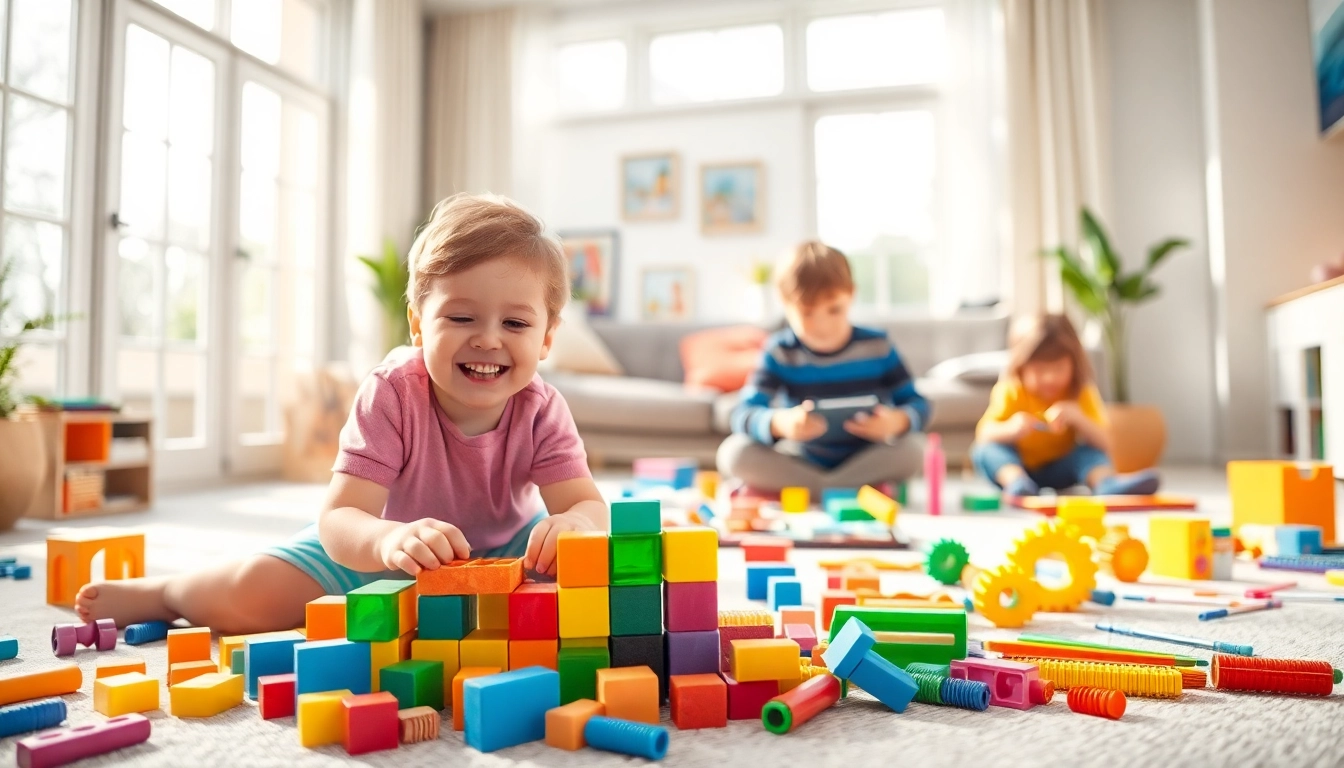
In a world dominated by screens, it's crucial to recognize the importance of screen-free play for children. As technology continues to grow in significance, introducing activities that do not depend on screens can be a refreshing way to help children engage and develop their creativity. Screen-free play not only fosters imagination but also enhances social skills and problem-solving abilities. For insightful tips on how to keep your little ones creatively engaged without screens, learn more today.
The Impact of Screen Time on Children
Excessive screen time can lead to various developmental issues in children, including difficulties in attention span, reduced physical activity, and challenges in social interactions. Studies show that children who spend too much time in front of screens may experience both physical and mental health ramifications. These can range from eye strain to behavioral problems, affecting their ability to focus on tasks. Moreover, overexposure to screens can contribute to sleep disturbances, which are essential for healthy development.
Benefits of Engaging in Screen-Free Activities
Engaging in screen-free activities provides numerous benefits that can significantly enhance a child's development. Some essential advantages include:
- Creativity and Imagination: Screen-free play encourages children to use their imagination, sparking creativity that leads to unique ideas and solutions.
- Social Skills: Without screens, children are more likely to interact with peers, enhancing their ability to communicate, cooperate, and form friendships.
- Physical Activity: Many screen-free activities involve movement and help children develop motor skills while keeping them physically active.
- Cognitive Development: Engaging with non-screen toys stimulates brain activity, enhancing problem-solving and critical-thinking skills.
How Screen-Free Play Encourages Creativity
Creativity flourishes when children engage in play that encourages exploration, experimentation, and expression. Screen-free toys often require children to think outside the box to create their narratives or solve challenges. Unlike the passive consumption of information through screens, hands-on play can spark curiosity and lead to innovative ideas. Such play can range from dramatic play with costumes to building structures with blocks, making each activity a platform for creative thinking.
Types of Screen-Free Toys to Inspire Creativity
Choosing the right toys can profoundly impact a child's ability to engage in imaginative play. Exploring various types of screen-free toys can inspire creativity and foster crucial developmental skills. Here are some excellent categories of toys to consider:
Building and Construction Toys
Building and construction toys, such as blocks, LEGO, or magnetic tiles, enable children to design and construct their own creations. These toys promote spatial awareness and fine motor skills while allowing for creative storytelling. As children manipulate pieces and see their designs come to life, they develop both problem-solving skills and the confidence to create. This kind of hands-on engagement not only enhances cognitive abilities but also encourages persistence when projects don’t turn out as planned.
Artistic and Craft Supplies
Artistic and craft supplies, such as crayons, paints, clay, and DIY kits, are fantastic for encouraging self-expression. These materials allow children to explore their artistic talents while developing patience and attention to detail. Crafting provides a platform for collaborative projects, where children can work together on group art pieces, facilitating social skills and teamwork. Importantly, hands-on artistic expression allows children to explore their emotions in a constructive way.
Puzzles and Educational Games
Puzzles and educational games serve as excellent tools for mental stimulation. These activities challenge children in engaging ways—developing logical reasoning, improving memory, and enhancing critical thinking skills. Moreover, interactive games encourage collaboration among peers, fostering communication and social interaction. The variety of puzzles available caters to different age ranges and skill levels, ensuring that children of all abilities can benefit from engaging mind games.
Tips for Incorporating Screen-Free Toys into Daily Life
Incorporating screen-free toys into everyday life can be a rewarding endeavor for both parents and children. Here are several practical tips to help seamlessly integrate screen-free play into your child's routine:
Setting Up a Creative Play Area
Designating a specific area in your home for creative play can greatly enhance a child’s motivation to engage in screen-free activities. Consider creating a vibrant space filled with various toys, art supplies, and comfortable seating. This will give children a sense of ownership over their creative space while reducing distractions from screens. Having a well-organized play area ensures that children can easily access different toys, promoting spontaneous play and exploration.
Creating a Screen-Free Routine
Creating a daily routine that incorporates dedicated screen-free time is essential. Establishing specific periods each day when screens are turned off encourages children to engage in other activities. Use transitional phrases, like "screen free time begins now," to signal the start of creative play. Encourage a blend of activities that include structured playtime and unstructured time to allow children to choose their engagement freely. This routine fosters a balance between screen time and active play.
Encouraging Social Interaction Through Play
Encouraging social interaction through screen-free play can help cultivate important social skills in children. Organize playdates or group activities where children can explore toys together and engage in cooperative play. This interaction helps develop communication abilities and fosters emotional intelligence as they learn to share, negotiate, and collaborate with peers. Practical playtime encourages the cultivation of friendships that are vital during childhood.
Choosing Age-Appropriate Screen-Free Toys
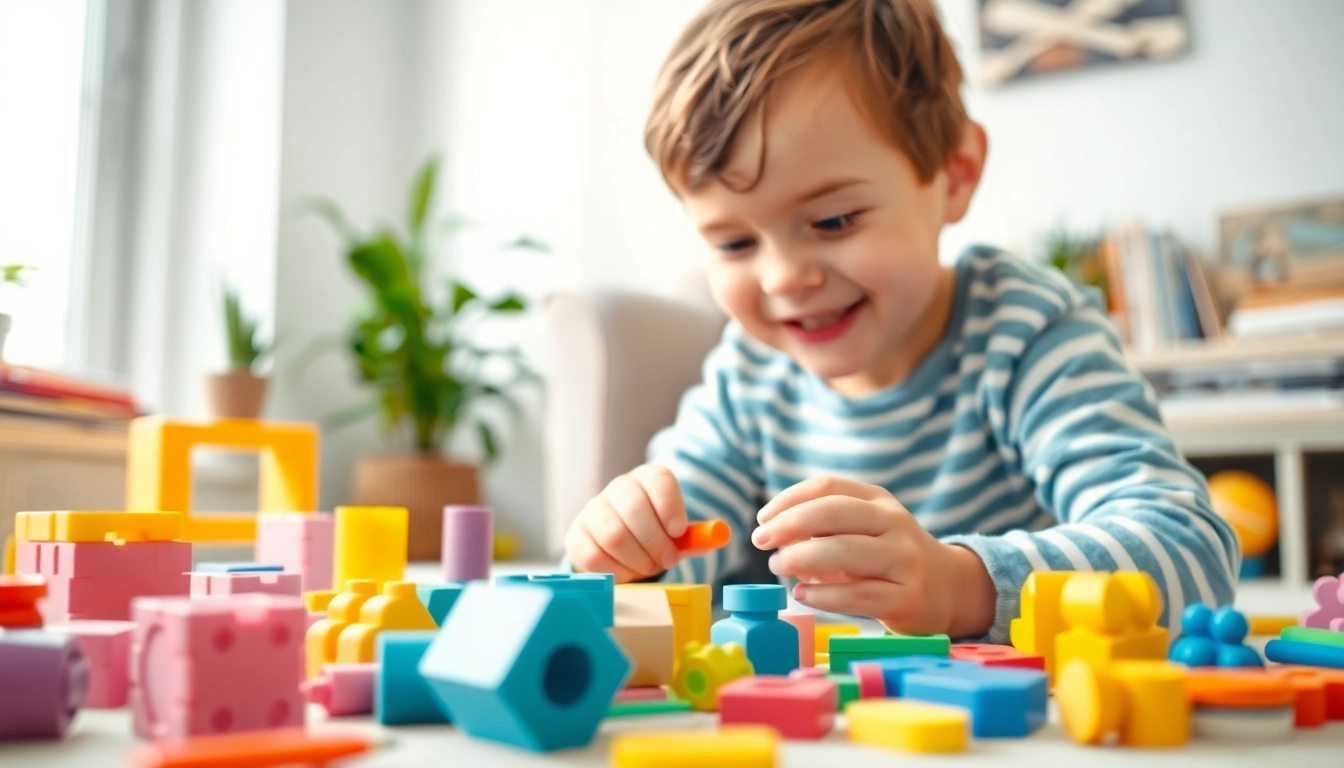
Selecting toys that match a child's developmental stage is crucial for maximizing the benefits of screen-free activities. Below are suggestions for toys appropriate for different age groups:
Recommendations for Toddlers
For toddlers, look for toys that promote sensory exploration and basic motor skills. Items such as stackable blocks, simple shape sorters, and soft building materials can provide engaging, hands-on experiences. Toys with diverse textures and sounds can stimulate senses and encourage imaginative play, fostering an early love for creative activities.
Best Options for Preschoolers
Preschoolers flourish with toys that promote imaginative play and social interaction. Playsets, such as kitchen sets, puppet theaters, and dollhouses, are excellent options during this stage. These toys not only enhance creativity but also resonate with preschoolers' developing storytelling skills. Look for items that encourage sharing and cooperation, fostering early social interactions.
Fun Choices for School-Age Kids
For school-age children, choose complex toys that challenge their cognitive skills while encouraging teamwork. Building kits, robotics sets, and science experiment kits can cater to their heightened curiosity. Engaging them in creative projects allows them to deepen their understanding of concepts learned in school while honing their creative problem-solving skills.
Frequently Asked Questions about Screen-Free Play
What are the benefits of screen-free toys?
Screen-free toys promote creativity, problem-solving, and social skills in children while enhancing focus through hands-on play.
How much screen time should a child have?
The American Academy of Pediatrics recommends limited screen time, encouraging balanced activities throughout the day.
Can screen-free play improve concentration?
Yes, engaging with screen-free toys can enhance focus and attention spans as children participate in hands-on activities.
How do I encourage my child to choose screen-free play?
Introduce engaging toys and set specific playtimes devoid of screens to boost interest in creative play.
What are some easy DIY screen-free toys?
Homemade play dough and simple arts and crafts can be engaging and made with everyday household items.