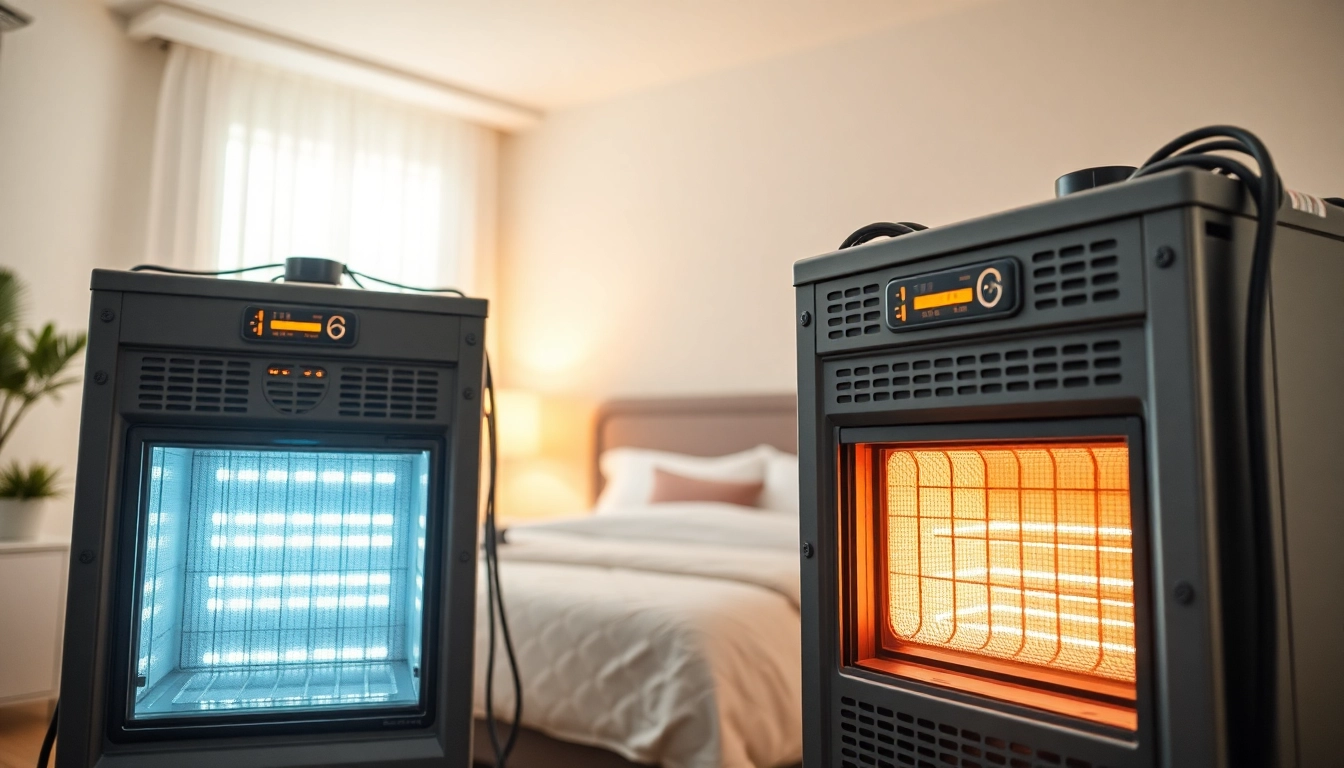
The Basics of Bed Bug Heat Treatment
Bed bugs are notorious pests that can wreak havoc in homes and businesses alike. They are challenging to eliminate because of their ability to hide in tiny crevices and their rapid reproduction rate. One highly effective method of dealing with bed bug infestations is the bed bug heat treatment. This process involves raising the temperature in an infested area to a level that is lethal to bed bugs. Understanding the efficacy and procedures of this treatment can help guide homeowners and professionals in effectively eradicating these unwelcome intruders.
What is Bed Bug Heat Treatment?
Bed bug heat treatment is a chemical-free extermination method that uses high temperatures to eliminate all life stages of bed bugs, including the elusive eggs. The process typically raises the temperature in infested areas to between 120-135°F (49-57°C), which is lethal to bed bugs when maintained for a specific duration. Unlike traditional chemical treatments, heat treatment's physical nature helps penetrate even the most hidden areas where bed bugs may reside.
How Does Heat Treat Bed Bugs?
The principle behind bed bug heat treatment is straightforward: exposure to extreme heat disrupts the bed bug's physiological processes, leading to their death. The process generally involves the following steps:
- Preparation: The area is prepped by removing items that could be damaged by heat and organizing the space for easy access.
- Heating: Professional heaters are strategically placed to raise the ambient temperature. This includes using electric heaters, propane heaters, or specially designed heat chambers.
- Monitoring: Technicians continuously monitor the temperature to ensure it remains within the lethal range for a sufficient period, usually around 4-6 hours.
- Cooling: After treatment, the area is allowed to cool down before re-entry.
Common Myths and Facts
Once the idea of using heat treatment is suggested, several myths can arise. Here are some common misconceptions contrasted with the facts:
- Myth: Heat treatment can only be applied in the summer.
- Fact: Heat treatment can be conducted year-round, regardless of outdoor temperatures.
- Myth: Heat treatment doesn’t kill bed bugs.
- Fact: When performed correctly, heat treatment is 100% effective against all life stages of bed bugs.
- Myth: It’s a lengthy process.
- Fact: Treatments typically last 6 to 8 hours and often require only a single visit.
Benefits of Using Bed Bug Heat Treatment
Choosing bed bug heat treatment over chemical methods provides numerous benefits that extend beyond effectiveness. Here are the primary advantages:
Environmentally Friendly Approach
One of the significant benefits of bed bug heat treatment is that it is non-toxic, posing minimal risk to people, pets, and the environment. Unlike chemical treatments that may require lengthy safety protocols and can lead to potential health concerns, heat treatment’s reliance on temperature reduces the chances of exposure to harmful substances.
Effectiveness Against Different Life Stages
Heat treatment is exceptionally effective against all life stages of bed bugs, including eggs, nymphs, and adults. Bed bugs are notorious for their ability to hide, but the nature of heat allows it to penetrate small spaces and hidden areas, ensuring that even the most elusive bed bugs are eradicated. Studies have shown that maintaining temperatures between 120-135°F for an adequate duration can kill bed bugs quickly and efficiently.
Speed and Efficiency
The overall speed and efficiency of bed bug heat treatment make it an appealing choice for those in need of immediate relief. Unlike chemical treatments that may require repeated applications over weeks, heat treatment can often eradicate bed bug infestations in a single day. This efficiency can significantly reduce the emotional stress and disruption that accompanies a bed bug problem.
Preparation for Bed Bug Heat Treatment
Proper preparation is crucial to optimizing the effectiveness of heat treatment. Here’s a guide on how to organize your space prior to treatment:
What to Do Before Treatment
Before the treatment takes place, it’s critical to prepare the area:
- Declutter: Remove unnecessary items from the area to reduce hiding spots.
- Remove Heat-Resistant Items: Take out heat-sensitive items like electronics, plants, and candles.
- Wash Linens and Clothing: Wash bedding, clothes, and other fabrics in hot water to kill any existing bed bugs.
Setting Up the Space
Setting the space correctly aids in achieving effective heat penetration:
- Access Points: Ensure that heaters can access all spaces where bed bugs may hide.
- OpenDoors and Cabinets: Leave doors to closets and cabinets open to allow heat to circulate.
Safety Precautions
Following safety protocols is essential for a smooth treatment process:
- Evacuate the Area: Ensure all household members and pets are removed from the premises during treatment.
- Protect Valuables: Move valuable items to a safe place to avoid any potential heat damage.
Potential Challenges and Solutions
Despite the advantages of bed bug heat treatment, there are potential challenges to consider. Knowing how to tackle these will ensure a successful outcome.
Temperature Regulation Issues
Maintaining the necessary temperature during treatment can be challenging, particularly in large spaces. To overcome this:
- Use Multiple Heaters: Consider deploying multiple heat sources to evenly distribute heat.
- Continuous Monitoring: Use thermal sensors to monitor temperature consistently throughout the area.
Accessing Hidden Infestations
Bed bugs can hide in inaccessible locations like wall voids or behind appliances. Solutions include:
- Using Thermal Imaging: Employ thermal cameras to identify cooler spots indicating hidden infestations.
- Adequate Preparation: Reduce clutter beforehand to expose more hiding spots.
Common Mistakes to Avoid
To ensure the effectiveness of the treatment, avoid these common pitfalls:
- Underestimating the Severity: Conduct a thorough inspection to gauge the extent of the infestation accurately.
- Skipping Follow-Up Treatments: Aftercare is vital to ensure any residual bed bugs are eliminated.
Aftercare and Maintenance
After completing the bed bug heat treatment, proper aftercare is crucial to maintain a bed bug-free environment.
Post-Treatment Cleaning Steps
After treatment, engaging in thorough cleaning is essential:
- Vacuum Thoroughly: Vacuum carpets, floors, and all surfaces to remove any dead bugs and debris.
- Wash Fabrics: Wash all linens and clothing again to ensure any potentially remaining eggs are killed.
Monitoring for Reinfestation
Regular monitoring after treatment helps catch any new bed bug activity early:
- Set Traps: Use bed bug traps as an early detection method.
- Regular Inspections: Conduct inspections in the weeks following treatment to ensure no new infestations occur.
Long-Term Prevention Strategies
To prevent future infestations:
- Reduce Clutter: Keep your home organized to limit potential hiding places for bed bugs.
- Regular Cleanings: Regularly clean and vacuum to eliminate potential bed bug habitats.
- Careful During Travel: Inspect luggage and hotel rooms when traveling to avoid bringing bed bugs home.
Frequently Asked Questions
What is the best temperature for bed bug heat treatment?
The recommended temperature for effective bed bug heat treatment is around 120-135°F (49-57°C). This range is lethal to all life stages, including eggs.
How long does bed bug heat treatment take?
Most heat treatments last between 6 to 8 hours, depending on the severity of the infestation and the size of the area being treated.
Is bed bug heat treatment safe for my belongings?
Yes, when performed correctly, bed bug heat treatment is safe for most household items, but sensitive electronics and certain materials should be removed or protected.
Can I do bed bug heat treatment myself?
It is recommended to hire professionals for bed bug heat treatment as they have specialized equipment and training to ensure effectiveness and safety.
What should I do after bed bug heat treatment?
After treatment, clean the treated area, monitor for any signs of bed bugs, and consider preventive measures to avoid reinfestation.