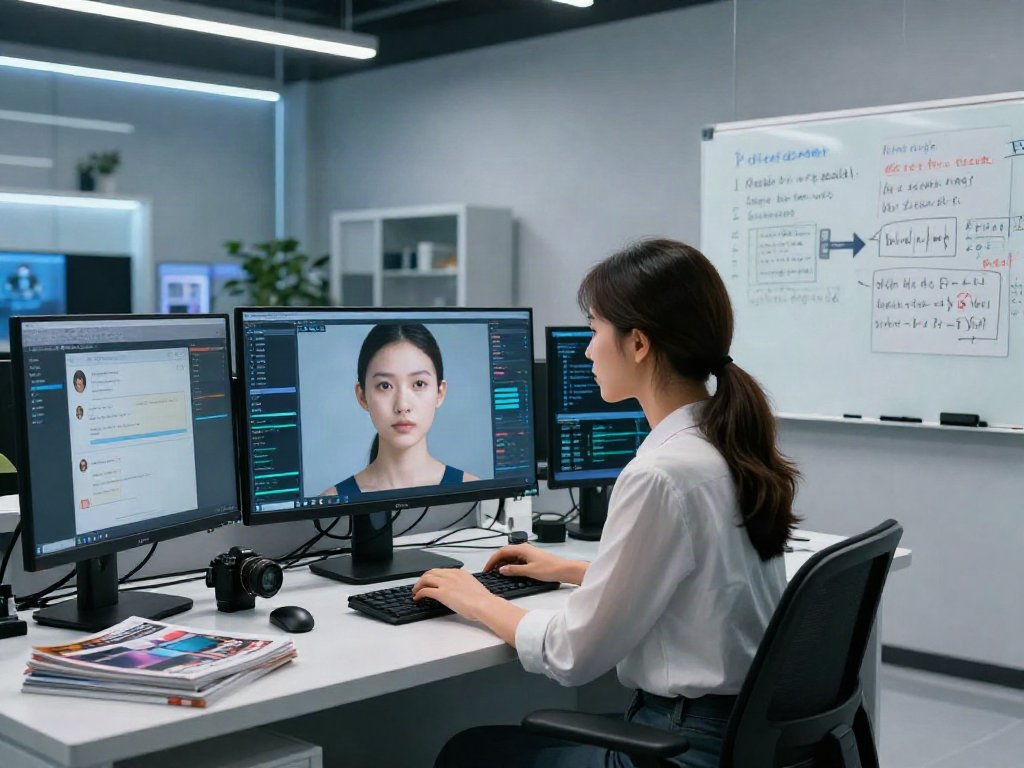
Understanding Age Estimation Technology
In today's digital landscape, age estimation technology has become a fascinating intersection of artificial intelligence, machine learning, and human psychology. The question "how old do I look?" has gained immense popularity, as more people seek to explore how their appearance aligns with their actual age. This technology leverages advanced algorithms to analyze facial features and provide insights that go beyond mere curiosity, offering a glimpse into how societal perceptions of age can impact personal branding, self-esteem, and social interactions.
What is Age Estimation?
Age estimation refers to the process of determining an individual's age based on visual cues, particularly facial characteristics. This technology utilizes advanced algorithms that assess various factors, including skin texture, wrinkles, and facial structure. By analyzing a photo, these systems can provide a prediction of the biological age of the subject, often referred to as the "perceived age." With the rise of social media and online profiles, many individuals are keen on understanding how others perceive their age, making age estimation tools increasingly valuable.
How do AI Algorithms Determine Age?
AI algorithms that determine age typically rely on extensive datasets comprised of images labeled with corresponding ages. By examining thousands of photographs, these algorithms learn to identify patterns that correlate specific facial features with age groups. Techniques such as deep learning and neural networks are often employed, allowing the AI to improve its accuracy over time. For instance, as these models are fed more data, they can better differentiate between the signs of aging and those features that may suggest youthfulness.
Importance of Facial Recognition in Age Estimation
Facial recognition plays a crucial role in age estimation, as it enables algorithms to identify key features that indicate age. Elements such as fine lines, crow’s feet, and overall skin elasticity are analyzed to make more accurate predictions. These technologies are not only applicable for personal curiosity but also offer insights for businesses aiming to target specific demographics based on perceived age. For example, brands can tailor their marketing strategies by understanding the age perception of their audience, leading to more effective communication.
Benefits of Knowing How Old You Look
Understanding how old you look can have several benefits that extend beyond vanity. The insights gained from age estimation can bolster self-confidence, enhance personal branding, and clarify the difference between biological and chronological age. Knowing your perceived age can empower you to make informed decisions about your health and appearance, enabling a proactive approach to aging gracefully.
Boosting Self-Confidence through Age Feedback
Receiving feedback on how old you look can significantly enhance self-esteem. Many individuals feel pressure to conform to societal standards regarding youth and beauty. By understanding how their perceived age aligns with their actual age, individuals can adopt realistic beauty standards and self-care routines. Knowing that they look younger or older than their chronological age can help adjust personal and social expectations, leading to increased self-assurance and a more positive self-image.
Impact on Personal Branding and Social Media Presence
In an age where digital presence often correlates with personal and professional success, understanding one's perceived age can inform how an individual presents themselves online. For example, if someone discovers they are perceived as older than they actually are, they may choose to adjust their personal branding strategy on social media platforms. This could include updating profile photos, changing the style of posts, or even engaging more with trends that resonate with younger demographics.
Understanding Biological vs. Chronological Age
Biological age refers to the age that your body seems based on factors such as genetics, lifestyle, and environmental influences, while chronological age is the number of years a person has lived. Knowing how old you look may help clarify discrepancies between these two types of age. For instance, individuals who lead a healthy lifestyle may find their biological age is significantly lower than their chronological age, indicating that external perceptions may not fully represent one's health and vitality.
Choosing the Right Tools for Age Estimation
As the demand for age estimation tools grows, numerous apps and websites have surfaced, each claiming to provide accurate estimates of one's perceived age. When exploring options, how old do i look provides comprehensive insights into your facial age, along with an easy-to-use interface. However, with so many choices available, it’s crucial to understand how these tools differ in functionality, accuracy, and privacy.
Comparing Popular Age Estimation Apps
Several apps dominate the age estimation market, each offering unique features. For instance, FaceAge.ai utilizes AI algorithms to deliver quick age assessments using uploaded photos. In contrast, Fotor focuses on analyzing skin condition, combining both aesthetic and age-related factors to estimate the user's age. The Google Play app offers a straightforward approach, allowing users to scan their faces and receive immediate results. Each application has different methodologies, making it important to read user reviews and understand each tool's capabilities before making a choice.
Limitations and Accuracy of Age Estimation Tools
While age estimation tools can be fun and insightful, they are not without limitations. The accuracy of predictions can vary significantly depending on the algorithm, the quality of the uploaded image, and how well the model has been trained. It’s crucial to remember that these tools provide estimates and should not be taken as definitive measures of age. Additionally, varying standards of beauty across cultures could further skew results, acknowledging that perceptions of age are often subjective.
Privacy Concerns with Age Detection Technology
With the rise of technology comes a host of privacy concerns. Many age estimation apps require users to upload personal photos, which raises questions regarding data security and ownership. Users must be cautious about the terms of service for each application to ensure their data is not misused or stored indefinitely. Awareness and understanding of privacy policies are essential for protecting personal information in an age where digital footprints are permanent.
Real-World Applications of Age Estimation
Beyond personal curiosity, age estimation technology has applications in numerous fields, including marketing, personal development, and research. Understanding the potential of these insights can inspire innovative implementations in various business strategies and personal growth journeys.
Age Estimation in Marketing Strategies
Brands increasingly leverage age estimation to tailor their marketing efforts. By analyzing the perceived age of their target audience, companies can curate content that resonates with their demographic. For instance, a skincare brand may utilize age estimation tools to identify potential customers who are showing signs of aging, allowing them to design targeted ads that emphasize anti-aging solutions. This approach not only enhances customer engagement but also maximizes the effectiveness of marketing budgets.
Using Age Feedback in Personal Growth
Individuals can utilize age feedback to embark on personal growth journeys. For example, if a person learns that they look significantly older than their chronological age, they may take this as an opportunity to rethink their lifestyle choices. This could include adopting healthier eating habits, increasing physical activity, or revamping skincare routines. By fostering a proactive mindset towards aging, individuals can empower themselves to improve both their health and their self-perception.
Case Studies of Successful Brand Implementations
Several brands have successfully integrated age estimation technology into their strategies. For example, beauty brands using age estimation in targeted advertising campaigns have seen increased conversion rates. Additionally, fashion retailers have employed these insights to create age-appropriate collections, ensuring their products appeal to the desired demographic. Such case studies exemplify the value of harnessing age estimation technology to innovate and connect with audiences on a deeper level.
Future Trends in Age Estimation Technology (2026 and Beyond)
The future of age estimation technology is promising, with expected advancements in AI and machine learning likely to enhance accuracy and user experience. As these technologies evolve, staying abreast of trends will be vital for users and businesses alike. With the continuous integration of AI in various sectors, age estimation tools are likely to become even more sophisticated and widely adopted.
Predicted Advances in AI and Machine Learning
As AI technology evolves, we anticipate more refined algorithms capable of better understanding the nuances of aging. Future advancements may include real-time analysis during video calls or improved interactivity on social media platforms. This could enable users to receive instant age assessments in a variety of contexts, from personal branding to online dating, amplifying the relevance of age perception in social interactions.
The Role of Social Media in Age Perception
Social media is a powerful tool that shapes perceptions of age and beauty standards. With the increasing prevalence of filters and AI-generated enhancements, the concept of perceived age is constantly evolving. As users become more accustomed to altering their visual presence online, the distinction between perceived, biological, and chronological age may blur further. Brands looking to engage with their audience must navigate these changing dynamics carefully, ensuring their messaging aligns with shifting perceptions of age.
Ethical Considerations in Age Estimation
As with any emerging technology, age estimation raises ethical questions. Issues surrounding consent, privacy, and the potential for age discrimination are all critical considerations. Users must be informed about how their data is used, while companies should strive to implement transparent policies. The discussion surrounding the ethical implications of age estimation technology will play a crucial role in shaping its future use and acceptance.
What is the most accurate method to determine how old I look?
The accuracy of age estimation can vary by method. Generally, AI-driven tools that utilize vast datasets tend to provide more reliable estimates as they learn from a diverse range of faces. However, users should also consider the subjective nature of aging perceptions influenced by personal and cultural factors.
Are there risks associated with using age estimation software?
Yes, there are risks, including privacy concerns and the potential for misuse of personal data. Users should be aware of how their images are handled and take precautions when uploading sensitive information.
How can I use age estimation feedback to improve my self-image?
Age estimation feedback can serve as a catalyst for personal reflection. By understanding how you are perceived, you can make informed choices about skincare, lifestyle changes, or even altering your social media presence to align with your desired self-image.
What are the best apps for estimating age online?
Some of the best apps for estimating age online include FaceAge, Fotor, and various dedicated tools that analyze facial features. Each app has its strengths, so exploring user reviews can help identify the best fit for your needs.
Is it possible to reverse the perceived age with skincare?
While skincare products can improve skin appearance and potentially reduce signs of aging, perceptions of age are subjective and influenced by various factors. However, a good skincare routine can certainly help enhance one's overall appearance and confidence.