Understanding Event Rentals: The Basics
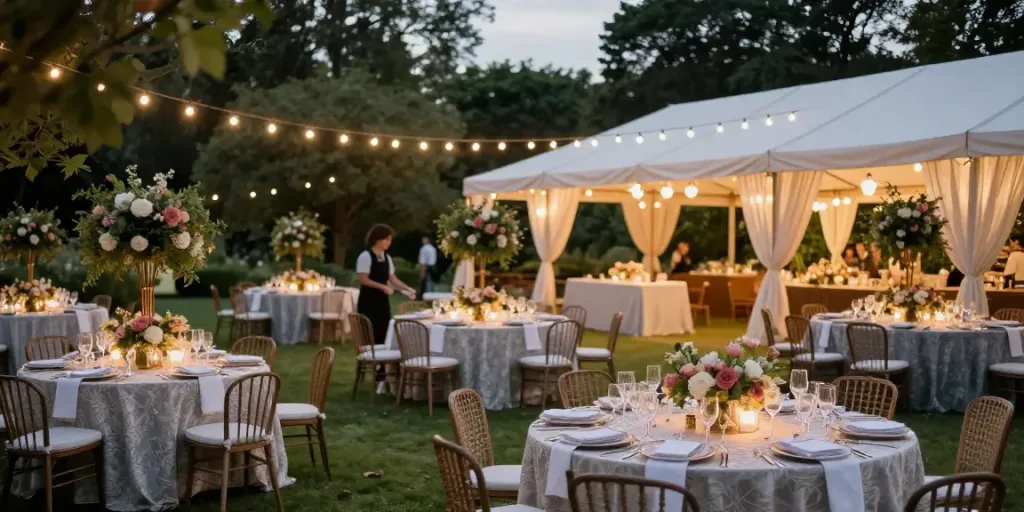
Event rentals are a critical component of event planning, encapsulating a wide variety of services and equipment essential for hosting successful gatherings. Whether it’s a corporate event, a wedding, or a casual celebration, the right rentals can elevate an ordinary gathering into an extraordinary experience. From Event rentals that include tents and seating to high-end décor, understanding what’s available can significantly affect the planning process and the overall experience for attendees. This article delves into the essentials of event rentals, their significance in the industry, and how they can transform any event into a memorable occasion.
What Are Event Rentals?
Event rentals encompass a wide range of items that are leased for a specific period in order to facilitate various events. These items can include basic necessities such as tables and chairs, as well as more intricate setups like dance floors, audio-visual equipment, decorative elements, and even complete tent structures. By utilizing event rentals, organizers can save on the costs associated with purchasing these items outright while ensuring access to high-quality equipment suitable for their specific needs.
The Importance of Quality Equipment
Quality equipment is paramount in ensuring the success of any event. Poorly maintained or low-quality rentals can lead to negative experiences for attendees, detracting from the overall theme and professionalism of the gathering. For instance, using sturdy, well-maintained chairs and tables can prevent accidents and discomfort, while high-quality linens add an aesthetic appeal that enhances the event's atmosphere. Investing in reputable event rental companies that offer high-quality equipment can yield better results and client satisfaction.
Types of Event Rentals: From Tents to Tableware
Event rentals can be categorized into several types, each serving distinct purposes:
- Tents: Essential for outdoor events, tents provide shelter from the elements and create a designated space for activities and gatherings.
- Tableware: This includes plates, utensils, glassware, and linens, which can enhance the dining experience and match the event's theme.
- Furniture: Beyond tables and chairs, this category can include lounge furniture, bars, and cocktail tables that help set the mood for various types of gatherings.
- Audio-Visual Equipment: Essential for presentations and entertainment, this includes microphones, projectors, and sound systems.
- Decorative Items: From floral arrangements to lighting fixtures, these elements can greatly enhance the ambiance and theme of any event.
Trends Shaping the Event Rental Industry in 2026
The event rental industry is continuously evolving, driven by trends that respond to changing consumer preferences and technological advancements. As we move into 2026, several key trends are emerging that shape the future of event rentals.
Innovative Designs and Customization Options
Clients increasingly seek personalized experiences, prompting rental companies to offer customizable options. From unique tent shapes to themed décor packages, organizers can tailor the aesthetics of their event to reflect their brand or personal style. This shift towards customization allows for a more memorable experience and reinforces the individual's vision for their event.
Sustainable Practices in Rentals
There is an increasing demand for eco-friendly event solutions as sustainability becomes a core value for many consumers. Rental companies are responding by offering sustainable products, such as biodegradable tableware and energy-efficient lighting options. Additionally, many companies are focusing on reducing waste by promoting rental over disposable items, thus minimizing their environmental footprint.
Technological Integrations in Event Planning
Technology plays a pivotal role in the planning and execution of events today. Many rental companies are adopting advanced technologies like online booking systems, virtual reality venue tours, and inventory management software. These technological advancements streamline the planning process and improve efficiency, allowing planners to focus on delivering outstanding events.
Challenges in the Event Rental Sector
Despite its growth and innovation, the event rental sector faces several challenges that can impact the success of events and the satisfaction of clients.
Supply Chain Issues and Management
Supply chain disruptions have affected many industries, and the event rental sector is no exception. Challenges such as delays in receiving equipment, shortages of popular items, and increased costs can affect the availability and reliability of rentals. Companies must develop effective inventory management systems and strategies to navigate these hurdles successfully.
Meeting Client Expectations and Budget Constraints
Clients often have high expectations regarding service quality and equipment standards while also working within defined budgets. Balancing quality with affordability is a prevalent challenge for rental companies, necessitating transparent communication about costs and available options. Providing clear pricing structures and flexible packages can help meet or exceed client expectations.
Common Misconceptions About Event Rentals
Misunderstandings about the event rental process can lead to frustration for both planners and clients. Common misconceptions include the belief that all rental items are of low quality or that rental companies cannot accommodate last-minute requests. Educating clients on the advantages of event rentals—including cost savings, quality assurance, and professionalism—can alleviate these concerns.
Best Practices for Selecting Event Rentals
Choosing the right rental company is crucial to the success of an event. Here are some best practices to consider when selecting event rentals.
Evaluating Rental Companies: Key Factors
When evaluating event rental companies, consider the following factors:
- Reputation: Look for online reviews and testimonials from past clients to gauge the company's reliability and quality.
- Range of Offerings: Ensure the company provides a comprehensive range of items that suit your event's needs.
- Customer Service: Assess their responsiveness and willingness to accommodate special requests or changes.
- Pricing: Make sure to obtain detailed quotes and understand the costs associated with various rental items.
Creating a Seamless Rental Experience
A smooth rental experience involves effective planning and coordination. Begin by clearly communicating your vision and requirements to the rental company. Consider developing a checklist of required items and timelines to ensure all aspects of the rental process are covered, from delivery schedules to setup requirements.
Tips for Effective Communication with Providers
Effective communication is vital in fostering a successful relationship with rental providers. Here are some tips:
- Be clear about your expectations and needs.
- Discuss potential challenges and contingencies upfront.
- Maintain open lines of communication throughout the planning process.
- Follow up and provide feedback post-event to establish a long-term partnership.
The Future of Event Rentals: Predictions for 2026 and Beyond
As we look towards the future, several predictions can be made about the evolution of the event rental industry.
Emerging Technologies and Their Impact
Emerging technologies such as AI and machine learning are likely to transform the event rental landscape, enabling personalized recommendations and improving inventory management. This technological evolution can enhance the efficiency of rentals, reduce errors, and improve client satisfaction.
Adapting to New User Needs and Preferences
The preferences of event attendees continue to evolve, with a greater emphasis on exclusive experiences and luxury options. Rental companies must remain agile and adapt their offerings to meet these changing demands, ensuring they stay relevant in a competitive market.
Market Insights and Growth Opportunities
The event rental industry is poised for growth, particularly as the demand for hybrid and virtual events increases. Companies that leverage data analytics to understand market trends and customer preferences can capitalize on new opportunities for expansion and service diversification.
What Types of Events Benefit from Rentals?
Virtually any event can benefit from rentals, including weddings, corporate gatherings, festivals, and private parties. Rentals allow organizers to provide a fully equipped, comfortable, and aesthetically pleasing environment for their attendees.
How Can I Ensure the Quality of My Rentals?
To ensure quality, research rental companies thoroughly, request samples or view items in person when possible, and read client reviews to gauge the reputation of providers.
Are Eco-Friendly Rental Options Available?
Many rental companies are now offering eco-friendly options, such as biodegradable tableware and sustainable decor, allowing clients to minimize their environmental impact.
What Are the Costs Associated with Event Rentals?
Costs can vary widely depending on the type of rentals, quantity, and rental duration. It's essential to obtain detailed quotes and understand any additional fees that may apply.
How Do I Choose the Right Rental Company?
Choose a rental company based on reputation, range of offerings, pricing, and customer service. It's important to partner with a provider who understands your vision and can deliver quality service that aligns with your event's goals.