
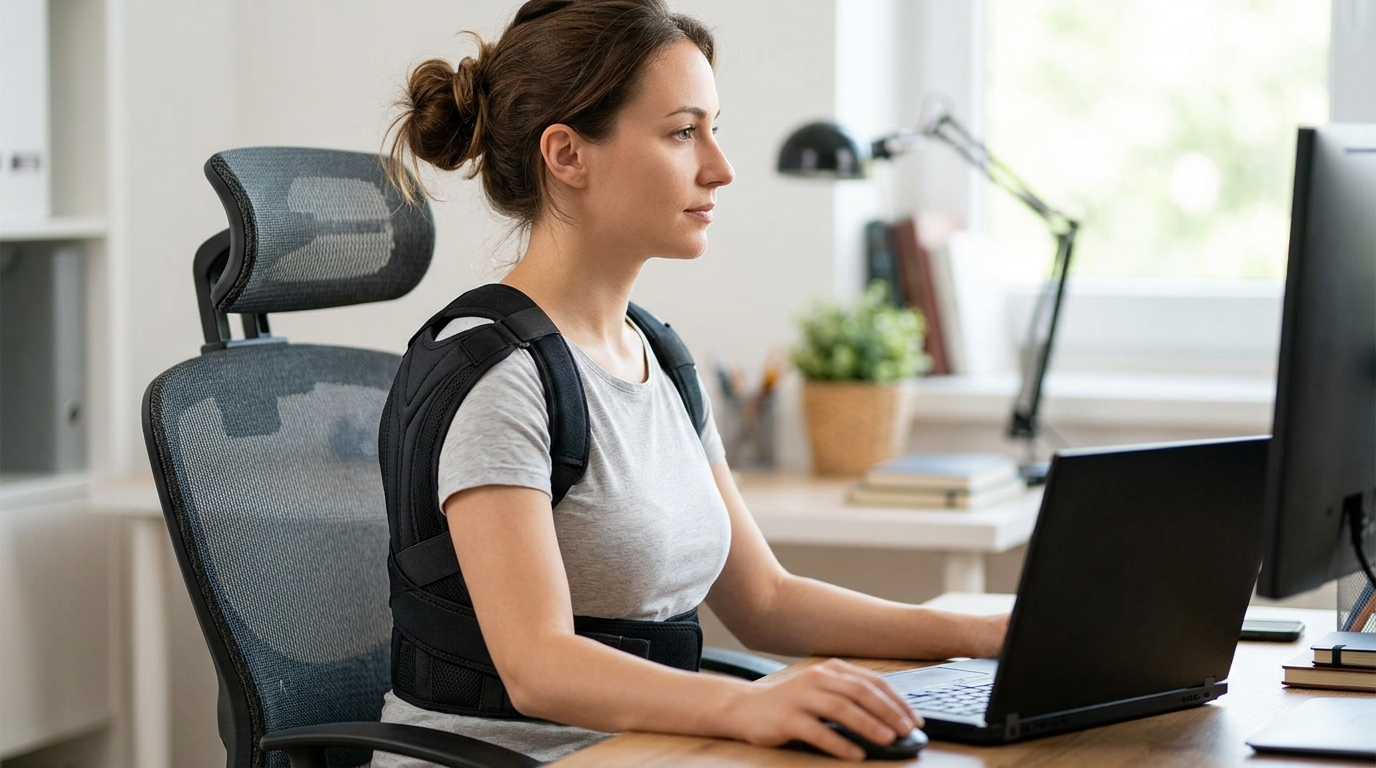
Good posture is more than just standing straight—it is a foundation for long-term spinal health, energy levels, and overall comfort in daily life. A Back Posture Corrector is designed to help individuals retrain their posture habits, reduce strain, and support proper spinal alignment. In today’s modern lifestyle, where long sitting hours and device usage are common, a Back Posture Corrector has become an essential tool for maintaining healthy posture habits and preventing discomfort.
This guide from The Posture Saver explains how a Back Posture Corrector works, the science behind it, its benefits, and how to use it effectively for the best results.
What is a Back Posture Corrector
A Back Posture Corrector is a supportive device designed to align the shoulders, upper back, and spine into a more natural position. It gently pulls the shoulders backward, helping the body develop muscle memory for proper posture over time. Many people rely on a Back Posture Corrector to reduce slouching caused by long hours of sitting, working on computers, or looking down at mobile devices.
A Back Posture Corrector is not meant to replace muscle strength but to guide the body into better alignment while the muscles gradually adapt.
Types of Back Posture Corrector
There are different forms of a Back Posture Corrector, including brace-style supports, adjustable straps, and full-back alignment systems. Each type of Back Posture Corrector is designed to suit different levels of support and comfort preferences.
Science Behind Back Posture Corrector
The effectiveness of a Back Posture Corrector is based on biomechanics and muscle retraining principles. When the body is consistently guided into proper alignment, the muscles begin to adapt and hold that position naturally.
A Back Posture Corrector works by engaging the proprioceptive system, which is responsible for body awareness. This helps the user become more conscious of slouching and encourages self-correction even without the device.
Muscle Memory and Alignment
A key scientific benefit of a Back Posture Corrector is its ability to help develop muscle memory. When worn regularly, a Back Posture Corrector encourages the muscles of the upper back and shoulders to strengthen in a balanced position, reducing dependency on external support over time.
Benefits of Back Posture Corrector
Using a Back Posture Corrector provides multiple physical and lifestyle benefits. One of the most noticeable advantages is reduced strain on the neck and shoulders, especially for individuals who spend long hours sitting.
A Back Posture Corrector also helps improve breathing efficiency by opening up the chest area, allowing better oxygen flow. Over time, a Back Posture Corrector can contribute to increased confidence as upright posture naturally enhances appearance.
Another important benefit of a Back Posture Corrector is its ability to reduce fatigue caused by poor posture habits. When the spine is aligned properly, the body uses less energy to maintain balance.
In addition, a Back Posture Corrector supports spinal health by reducing pressure on the lower and upper back, helping prevent long-term discomfort.
How to Use Back Posture Corrector Properly
To achieve the best results, a Back Posture Corrector should be used consistently but not excessively. Beginners should start with short sessions, gradually increasing the duration as the body adapts.
A Back Posture Corrector should be worn over light clothing to prevent discomfort and ensure proper positioning. It is important to adjust the straps correctly so that the Back Posture Corrector provides support without restricting movement.
Recommended Usage Routine
A good routine involves wearing a Back Posture Corrector for 20–30 minutes in the beginning and slowly increasing up to a few hours per day. Consistency is key, as a Back Posture Corrector works best when combined with conscious posture awareness.
Common Mistakes When Using Back Posture Corrector
One common mistake people make with a Back Posture Corrector is relying on it too much. While a Back Posture Corrector provides excellent support, it should not replace active muscle engagement.
Another mistake is wearing a Back Posture Corrector for too long in the early stages, which may cause discomfort or dependency. Proper adjustment is also crucial, as an incorrectly fitted Back Posture Corrector can reduce effectiveness and cause uneven support.
It is also important not to ignore strengthening exercises while using a Back Posture Corrector, as long-term posture improvement requires both support and muscle development.
Choosing the Right Back Posture Corrector
Selecting the right Back Posture Corrector depends on individual needs, body type, and comfort level. Some people may prefer a lightweight Back Posture Corrector for daily office use, while others may require a more structured design for stronger support.
A good Back Posture Corrector should be adjustable, breathable, and comfortable enough for extended wear. Durability is also important, especially for individuals who plan to use a Back Posture Corrector regularly.
Key Features to Look For
When choosing a Back Posture Corrector, consider materials that are soft yet supportive. A high-quality Back Posture Corrector should also allow flexibility of movement while still guiding the spine into proper alignment.
Lifestyle Tips with Back Posture Corrector
A Back Posture Corrector works best when combined with healthy lifestyle habits. Regular stretching and strengthening exercises can enhance the effectiveness of a Back Posture Corrector by improving overall muscle balance.
Maintaining an ergonomic workstation is also essential when using a Back Posture Corrector, especially for individuals who work long hours at a desk. A Back Posture Corrector should be part of a broader posture improvement strategy that includes movement breaks and proper sitting posture.
Staying mindful of posture throughout the day ensures that the benefits of a Back Posture Corrector extend even when it is not being worn.
Conclusion
A Back Posture Corrector is a powerful and science-based tool for improving spinal alignment, reducing discomfort, and building healthier posture habits. When used correctly and consistently, a Back Posture Corrector can support long-term posture improvement and enhance overall well-being. However, it works best when combined with awareness, exercise, and proper ergonomics.