Understanding Wellness Retreats: A 2026 Perspective
In today’s fast-paced world, the quest for inner peace and mental wellness has never been more critical. As we transition into 2026, wellness retreats have evolved into sought-after sanctuaries, providing a holistic approach to health that intertwines physical, emotional, and spiritual well-being. From serene landscapes to immersive experiences, these retreats cater to individuals seeking rejuvenation and a deeper understanding of themselves. When exploring options, Wellness retreat offer comprehensive insights into programs designed to meet diverse wellness needs.
What is a Wellness Retreat?
A wellness retreat is a dedicated space designed to facilitate healing and growth through various wellness practices. These retreats typically focus on activities such as yoga, meditation, nutrition, and mindfulness, creating an environment conducive to personal transformation. Unlike regular vacations, wellness retreats emphasize self-care and emotional well-being, allowing participants to disconnect from everyday stressors and reconnect with their inner selves.
Benefits of Attending a Wellness Retreat
- Holistic Healing: Many retreats offer a combination of physical, mental, and spiritual exercises that contribute to overall well-being.
- Expert Guidance: Attendees often receive instruction from experienced practitioners, from yoga instructors to nutritionists, ensuring personalized attention.
- Community Support: Engaging with like-minded individuals fosters connections and support networks, enhancing the retreat experience.
- Time for Reflection: Retreats provide a unique opportunity to reflect on one’s life, goals, and well-being away from daily distractions.
- Improved Health: Participants frequently report enhanced physical health, reduced stress levels, and improved mental clarity as a result of their time spent in these environments.
Key Trends in Wellness Retreats for 2026
As we look ahead, several trends are shaping the future of wellness retreats:
- Sustainable Practices: Many retreats are adopting eco-friendly practices, such as using local, organic food and promoting conservation efforts.
- Technology Integration: Innovative use of technology, such as wellness apps and virtual reality meditation experiences, is becoming commonplace.
- Personalized Programs: Tailored wellness plans based on individual needs are gaining traction, allowing participants to focus on specific aspects of their health.
- Community-focused Initiatives: Many retreats are engaging with local communities to create holistic experiences that support both participants and local residents.
Types of Wellness Retreats Available
Yoga and Meditation Retreats
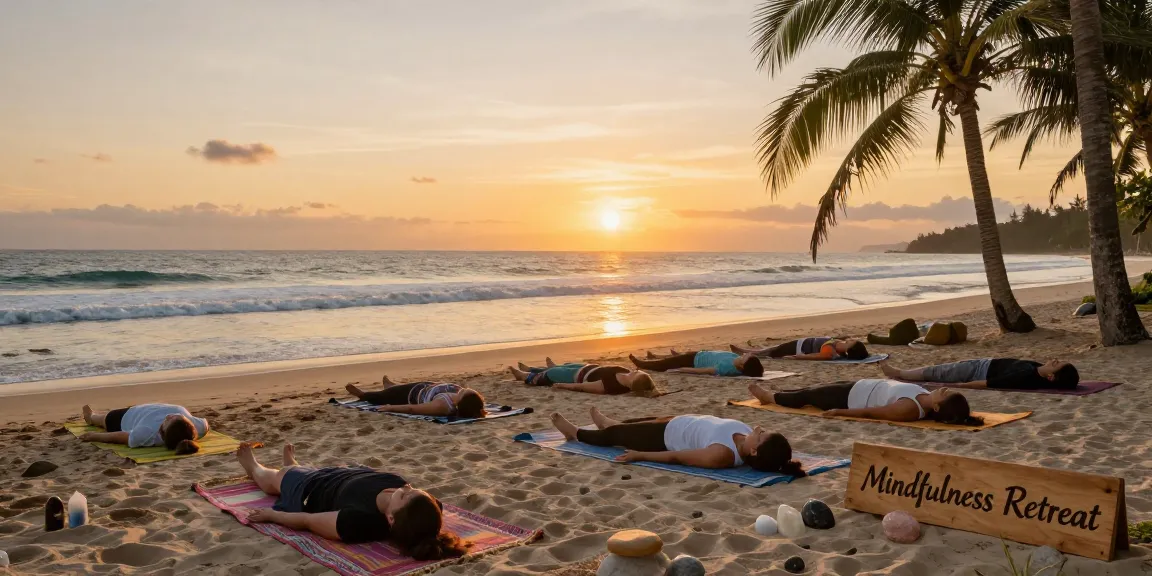
Yoga and meditation retreats are among the most popular types, focusing on physical postures, breathwork, and mindfulness practices. These retreats can be held in serene locations—often near the ocean or in mountainous regions—providing a tranquil backdrop to aid relaxation and introspection. Participants engage in daily yoga sessions, meditation practices, and workshops that teach techniques for mindfulness in everyday life.
Nutritional and Detox Retreats
Nutrition is a core aspect of wellness, and detox retreats aim to cleanse the body and reset dietary habits. These retreats typically include guided detox programs, nutritional workshops, and cooking classes, where participants learn about healthy food choices and meal preparation. Many also emphasize holistic practices, such as herbal medicine and holistic nutrition, to support overall wellness.
Adventure and Nature-Focused Retreats
For those seeking adrenaline alongside relaxation, adventure and nature-focused retreats combine outdoor activities with wellness practices. These might include hiking, kayaking, or rock climbing, merged with mindfulness sessions and group discussions. Participants experience the healing power of nature while challenging their physical limits, creating a unique balance of excitement and tranquility.
Choosing the Right Wellness Retreat for You
Identifying Your Wellness Goals
Before selecting a retreat, it’s crucial to identify your wellness objectives. Are you looking to deepen your yoga practice, detoxify your body, or simply escape from daily stressors? Understanding your specific needs will guide you toward the most suitable retreat options.
What to Look for in a Wellness Retreat
When evaluating potential retreats, consider the following factors:
- Location: Choose a setting that resonates with you—be it tropical beaches, serene mountains, or tranquil forests.
- Program Offerings: Look for retreats that offer a variety of activities aligned with your interests and goals.
- Facilitators: Research the experience and qualifications of the instructors to ensure they meet your expectations.
- Accommodations: Comfort is key, so investigate the lodging options available at the retreat.
- Reviews and Testimonials: The experiences of previous participants can provide valuable insights into what to expect.
Pricing and Budget Considerations
Wellness retreats vary widely in pricing, influenced by factors such as location, duration, and included services. It’s important to establish your budget before you begin your search. While higher-priced retreats often offer more amenities and personalized services, there are also affordable options that provide substantial value. Be sure to review what is included in the cost, such as meals, accommodations, and activities, to make the most informed decision.
Preparing for Your Wellness Retreat Experience
Packing Essentials for Your Retreat
Proper preparation enhances your retreat experience. Essential items to pack include:
- Comfortable Clothing: Bring breathable, flexible clothing suitable for yoga and relaxation.
- Journals and Books: These can be valuable for reflection and learning during downtime.
- Personal Care Items: Include biodegradable toiletries and any personal wellness items you may need.
- Yoga Mat: While many retreats provide mats, bringing your own can enhance your comfort during practice.
Mindset and Expectations Going In
Arriving with the right mindset is essential for maximizing your retreat experience. Approach the retreat with an open heart and mind, ready to embrace new experiences and challenges. Understand that personal growth often involves stepping out of your comfort zone.
Connecting with Fellow Participants
One of the most enriching aspects of wellness retreats is the opportunity to connect with other participants. Engage in group activities, share stories, and build friendships. Supporting one another can create a nurturing environment that enhances the retreat experience.
Post-Retreat Strategies for Sustaining Wellness
Implementing Wellness Practices at Home
The journey does not end at the retreat; it is essential to integrate what you have learned into your daily life. Consider establishing a consistent practice of yoga, meditation, or mindfulness. Create a wellness routine that incorporates elements that resonated with you during the retreat.
Community Resources and Support Networks
After returning home, look for local community resources that support wellness. Joining classes, workshops, or support groups related to your retreat experience can help maintain the connections you built and reinforce your wellness journey.
Measuring the Impact of Your Retreat Experience
Reflecting on your retreat experience can provide insights into its impact on your life. Keep a journal documenting changes in your mindset, emotional well-being, and physical health. This self-reflection can help you stay accountable and motivated on your path to wellness.
Frequently Asked Questions
What is a wellness retreat?
A wellness retreat is a program designed to promote holistic health, focusing on physical, mental, and spiritual wellness through various activities such as yoga, meditation, and nutrition.
How long do wellness retreats typically last?
Wellness retreats can vary in length, ranging from weekend getaways to week-long experiences, depending on the program and offerings.
What should I expect at a wellness retreat?
Expect a structured schedule filled with activities aimed at relaxation, personal growth, and connection with others, along with time for individual reflection and exploration.
Can wellness retreats cater to specific health needs?
Yes, many wellness retreats offer specialized programs tailored to address specific health concerns such as stress, weight management, or chronic health conditions.
What is the cost range for wellness retreats?
The cost of wellness retreats can vary widely, typically ranging from a few hundred to several thousand dollars, influenced by location, amenities, and program inclusions.