Understanding the Role of a Real Estate Photographer
In today's competitive real estate market, the importance of high-quality visual content cannot be overstated. A Real Estate Photographer is a key player in ensuring that properties stand out to potential buyers through stunning imagery. This article delves into this specialized profession, detailing the value it brings and the nuances involved in effective real estate photography.
What Does a Real Estate Photographer Do?
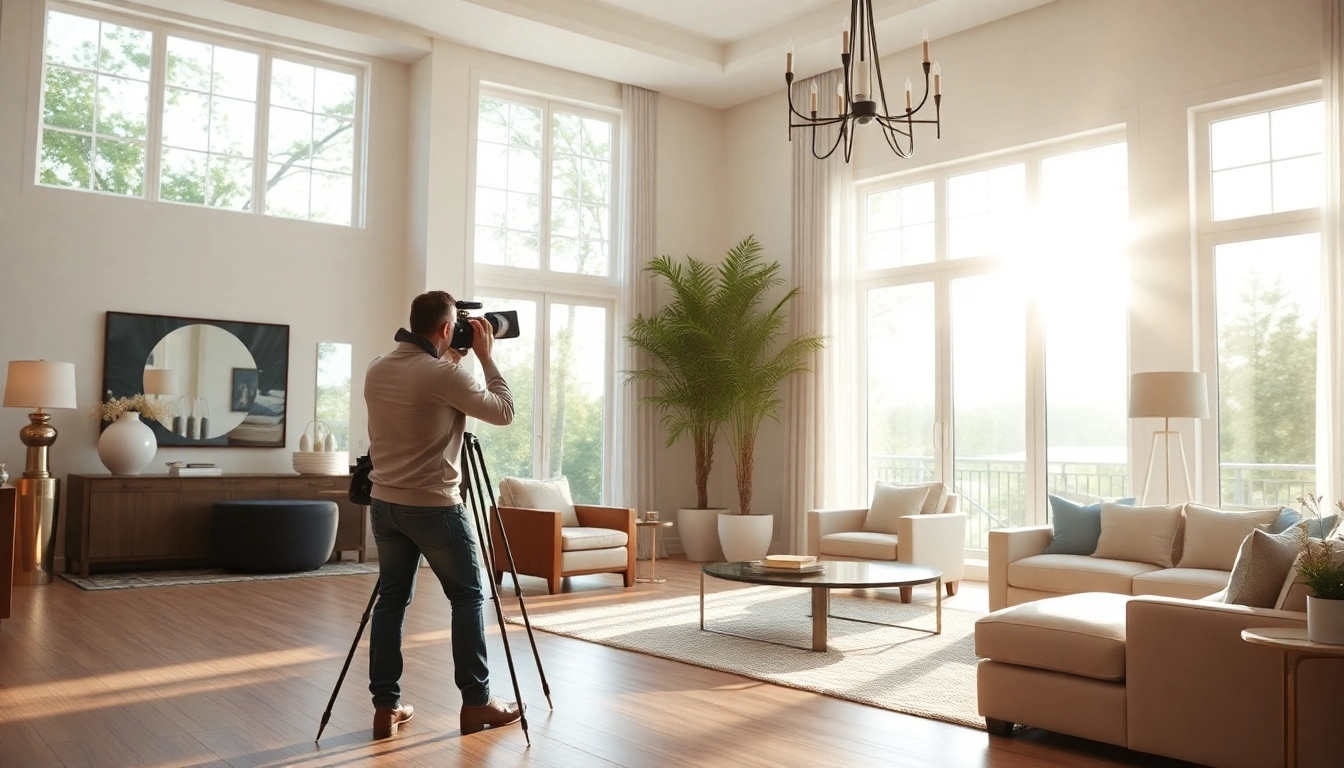
A real estate photographer captures images of properties with the aim of showcasing their best features. This includes photographing homes, commercial buildings, and land to create an enticing visual representation. Their work may also extend to creating 3D virtual tours, aerial drone shots, and promotional videos, allowing potential buyers to engage with a property before ever stepping inside.
Why Professional Photos Matter for Real Estate?
Professional photos not only enhance a property's appeal, but they also play a crucial role in marketing strategies. Listings with high-quality images receive significantly more views compared to those with mediocre photos. Studies suggest that homes with professional photography can sell up to 32% faster and often at a higher price point, making it a worthwhile investment for sellers and real estate agents alike.
Common Techniques Used by Real Estate Photographers
Real estate photographers employ several techniques to highlight properties. Among these are:
- Wide-angle lenses: These lenses allow photographers to capture entire rooms, making spaces appear larger and more inviting.
- HDR (High Dynamic Range) imaging: HDR captures multiple exposures to balance light and details in both bright and shadowy areas, enhancing overall image quality.
- Staging and lighting: Photographers often collaborate with home stagers to arrange furniture and décor optimally, ensuring that each room is displayed to its full potential.
- Drone photography: Aerial shots provide unique perspectives of properties, especially advantageous for larger estates or listings with extensive outdoor features.
Choosing the Right Real Estate Photographer
The selection of a real estate photographer can significantly influence your marketing success. Understanding how to evaluate potential photographers is crucial.
How to Evaluate Photographer Portfolios?
When considering a photographer, review their portfolio to assess their style and quality of work. Look for consistency in their images and whether they produce photographs that convey the property’s character. A diverse portfolio that includes various property types—residential, commercial, and luxury homes—can indicate a photographer's versatility and experience.
Key Questions to Ask Before Hiring
- What is your experience with real estate photography? Ensure they have a solid background in this niche, as it requires specific skills.
- What equipment do you use? Knowledge of professional-grade cameras and lenses is essential for high-quality images.
- Can you provide references or testimonials? Past client experiences can give insight into professionalism and reliability.
- What are your turnaround times for photo delivery? Speed can be critical in fast-paced markets.
Comparing Prices and Packages for Real Estate Photography
Real estate photography services can vary widely in price. While it may be tempting to go for cheaper options, remember that quality often correlates with cost. Investigate what is included in packages—some photographers offer additional services like video tours, drone shots, or post-production editing, which can affect pricing significantly. Always ask for a detailed breakdown of services offered to make an informed decision.
Preparing Your Property for a Photoshoot
Successful real estate photography begins long before the photographer arrives. Proper preparation can make a profound difference in the quality of the final images.
Staging Tips for Better Real Estate Photography
Staging is critical in showcasing a property’s appeal. Here are practical staging tips:
- Declutter: Remove excess items to create an open and inviting atmosphere. A clutter-free space appears larger and more appealing.
- Furniture arrangement: Use furniture to create natural pathways and define spaces. Each room should have a purpose that potential buyers can envision.
- Neutral decor: A neutral color palette makes the space feel calm and allows potential buyers to visualize their own style in the home.
Cleaning and Decluttering Before the Shoot
Before the photographer arrives, ensure the property is clean and tidy. Basic cleaning tasks include dusting, vacuuming, and wiping down surfaces. Additionally, remove personal items like family photos to allow viewers to imagine themselves in the space.
Choosing the Right Time and Lighting Conditions
Lighting plays a crucial role in photography. Scheduling the shoot when natural light is abundant can enhance the aesthetic appeal of the photographs. Early morning or late afternoon tends to provide the best light. Ensure windows are clean, and consider using professional lighting to brighten darker corners of the home.
Post-Production and Editing of Real Estate Photos
Editing is a vital stage in the real estate photography process. It serves to enhance the images, making them more appealing and market-ready.
Importance of Editing in Real Estate Photography
Post-production editing can transform a good photo into a great one. It involves adjusting brightness, contrast, sharpness, and color balance, ensuring the images present the property in its best light. Additionally, editing can help remove distractions, accentuating the property's features.
What to Expect in Terms of Delivery and Formats?
After the photoshoot, photographers typically provide images in a variety of formats, suitable for both online listings and print materials. Expect JPEGs for web use and high-resolution files for printing. The delivery timeline can vary, but most photographers provide a timeframe for when you can expect the final images.
Common Editing Enhancements in Real Estate Photography
Common enhancements include correcting lens distortion, removing unwanted objects, and enhancing colors to reflect reality accurately. Many photographers also provide virtual staging, which allows vacant properties to appear furnished in the images through digital means.
Measuring the Success of Real Estate Photography
Once the images are live, assessing their impact can provide valuable insights into the effectiveness of your real estate photography.
How to Analyze Listing Engagement After Photography?
Monitoring engagement metrics on your listing can help determine the success of your photography. Key performance indicators include the number of views, inquiries, and days on market. Listings with professional photography usually have higher engagement rates, so comparing these metrics to previous listings without professional photos is essential.
Optimizing Real Estate Listings with Professional Photos
Utilizing professional photos optimally involves placing them strategically within your listing. Leading with the best shots when potential buyers first see the property can increase interest and drive engagement. Ensure images are showcased on multiple platforms, including social media and real estate listing sites.
Real Estate Photographer Trends to Watch
Staying updated with industry trends can help optimize your listings. Some major trends include:
- Virtual and augmented reality: These technologies allow prospective buyers to engage with properties in immersive ways.
- Video walkthroughs: Video content is increasingly popular for showing properties, giving a more dynamic feel than still images.
- Sustainability-focused photography: Highlighting energy-efficient features and eco-friendly designs is becoming more prevalent as buyers prioritize sustainability.
Frequently Asked Questions
1. How much do real estate photographers charge?
Charges can vary widely, typically ranging from $150 to $500 per shoot based on location, services provided, and the photographer's experience.
2. How long does it take to get the photos?
Most photographers deliver the edited images within 24 to 72 hours after the photo shoot, depending on the workload and package chosen.
3. Can I use the photos for marketing?
Yes, professionally taken photos can typically be used for marketing, including listings, brochures, and social media, subject to the contract with the photographer.
4. What should I look for in a photographer?
Look for experience in real estate photography, a strong portfolio, professional equipment, and positive client reviews to ensure quality results.
5. Is staging necessary for photography?
While not mandatory, staging can significantly enhance a property's appeal and is often recommended for optimal photography results.