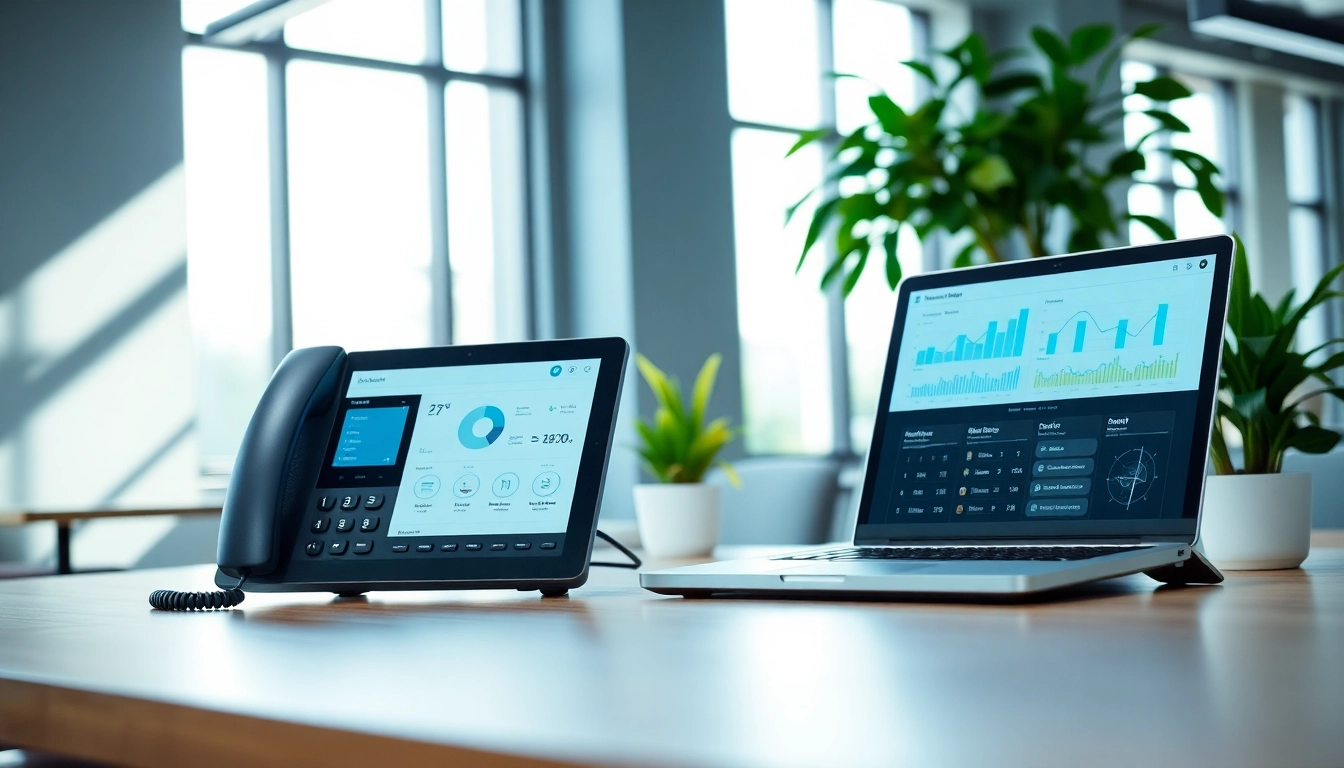
What is a Cloud Business Phone System?
Definition and Key Features
A cloud business phone system is a modern communication solution that operates over the internet, allowing businesses to manage their phone services digitally. Unlike traditional telephone systems that rely on physical infrastructure, cloud phone systems store both data and operations in the cloud. This structure enables seamless communication through voice calls, video conferencing, messaging, and more, all facilitated directly via the internet.
Key features of cloud business phone systems typically include VoIP (Voice over Internet Protocol), call forwarding, voicemail-to-email, auto-attendants, conference calling, and integration with other applications such as customer relationship management (CRM) tools. These systems are designed to be user-friendly and highly customizable, often featuring an intuitive web interface that allows users to manage settings and configurations without needing IT support.
Benefits Over Traditional Systems
One of the primary advantages of cloud business phone systems is their cost-effectiveness. Traditional phone systems often require substantial upfront investments in hardware and installation, whereas cloud systems operate on a subscription basis, reducing initial capital expenditure.
Additionally, cloud systems offer unmatched scalability. Businesses can quickly add or remove lines and features as needed, ensuring that they pay only for what they use. This flexibility can be especially beneficial for growing businesses or those with fluctuating needs.
Reliability and mobility are also significant benefits. Cloud phone systems are hosted on secure servers, often with built-in redundancy measures that ensure service remains intact even if there's a localized outage. Moreover, because they operate on internet connectivity, employees can access the system remotely, which supports a mobile workforce and hybrid work models.
Target Audience and Use Cases
Cloud business phone systems cater to a wide array of organizations, from small startups to large enterprises. Small businesses benefit from the low startup costs and simplified management, allowing them to focus more on growth rather than infrastructure. Medium to large enterprises often leverage these systems to connect multiple locations and streamline their communication processes.
Various use cases include customer support centers, remote teams, and businesses with significant travel needs, where maintaining consistent communication is critical. Furthermore, industries such as healthcare, education, and retail have increasingly adopted cloud phone systems to enhance collaboration and service delivery.
How a Cloud Business Phone System Works
Understanding VoIP Technology
VoIP technology is at the core of cloud business phone systems. It converts voice communications into digital data packets that travel over the internet rather than traditional phone lines. This conversion not only allows for voice calls but also integrates video, messaging, and other forms of communication into a unified platform.
The efficiency of VoIP lies in its ability to reduce costs associated with long-distance calls, making it ideal for businesses with clients or employees spread across geographical regions. As a result, calls made using VoIP can be significantly cheaper than those made through conventional phone systems.
Integration with Other Tools
Another critical aspect of cloud business phone systems is their ability to integrate with a variety of other business tools. Most systems support seamless integration with CRMs, project management tools, and email services. This integration enhances productivity by automatically logging communication records, enabling better customer relationship management, and allowing employees to manage calls and messages from a single platform.
Additionally, many systems enable API access, allowing businesses to develop custom applications tailored to their specific needs. This flexibility empowers organizations to create workflows that align perfectly with their operational models.
Common Implementation Steps
Implementing a cloud business phone system involves several crucial steps:
- Assessment of Needs: Determine the specific requirements of your business, including the number of users, necessary features, and budget constraints.
- Choose a Provider: Research potential cloud phone system providers based on reliability, customer support, and feature offerings. Ensure they align with your assessed needs.
- Migrate Data: Transition existing contact information and phone numbers, ensuring continuity of service.
- Setup and Configuration: Configure the system settings to tailor it to your business processes and preferences.
- Training: Provide training for employees to ensure they are familiar with the new system and its functionalities.
- Testing: Conduct tests to identify and resolve any issues prior to the full rollout.
Choosing the Right Cloud Business Phone System
Factors to Consider for Your Business
Selecting the right cloud business phone system requires careful consideration of various factors. These include:
- Scalability: Ensure the system can grow with your business.
- Features: Evaluate the available features and whether they align with your operational needs.
- Cost: Understand the pricing model, including any hidden fees for features or services.
- Support: Assess the level of customer support and resources offered by the provider.
- Reliability: Look for uptime guarantees and read testimonials to gauge reliability.
Comparing Providers and Plans
Given the abundant options available, comparing different providers is crucial to finding the right fit for your business. Consider the following while comparing:
- Pricing tiers and included features
- Contract terms and cancellation policies
- User reviews and feedback regarding service quality
- Integration capabilities with existing tools
Utilizing comparison sites and engaging in trial periods can aid significantly in making an informed decision.
User Reviews and Feedback
User reviews provide valuable insight into the pros and cons of a specific system. Reading feedback from businesses that have used the system can help identify strengths and weaknesses that may not be apparent in promotional material. Look for reviews on independent platforms and forums to obtain a comprehensive view of user experiences.
Best Practices for Maximizing Performance
Ongoing Training for Staff
Training shouldn’t be a one-time event; ongoing education on the cloud business phone system is essential for maximizing its use. Regular training sessions can ensure that employees stay updated on new features and best practices for communication, which can lead to improved overall productivity.
Monitoring Call Quality Metrics
Regularly monitoring key performance metrics such as call quality, drop rates, and user satisfaction is vital for maintaining the system’s effectiveness. Most providers offer analytical tools that can help track these metrics, allowing businesses to identify areas for improvement proactively.
Regular Updates and Maintenance
Regular system updates are crucial for ensuring security and functionality. Confirm that your cloud business phone system provider offers routine updates and maintenance to avoid any disruptions or vulnerabilities. Keeping the system up-to-date will enhance performance and ensure seamless communication for all users.
FAQs About Cloud Business Phone Systems
What is the cost of a cloud business phone system?
Costs vary widely based on the provider and features but typically range from £10 to £50 per user monthly.
Can I keep my current phone number?
Yes, most cloud business phone system providers support number porting, allowing you to maintain your existing number.
What happens during a power outage?
Cloud business phone systems are designed to have backup power sources, ensuring continued service during outages.
Is a cloud phone system secure?
Reputable providers implement robust security measures, including encryption and advanced protocols, to safeguard communications.
Can I use a cloud phone system internationally?
Yes, cloud business phone systems facilitate international calls over the internet, making global communication simple and cost-effective.
Contact Information
Address:Fareham Innovation Centre, PO13 9FUEmail Us:[email protected]Call Us:0333 015 2615