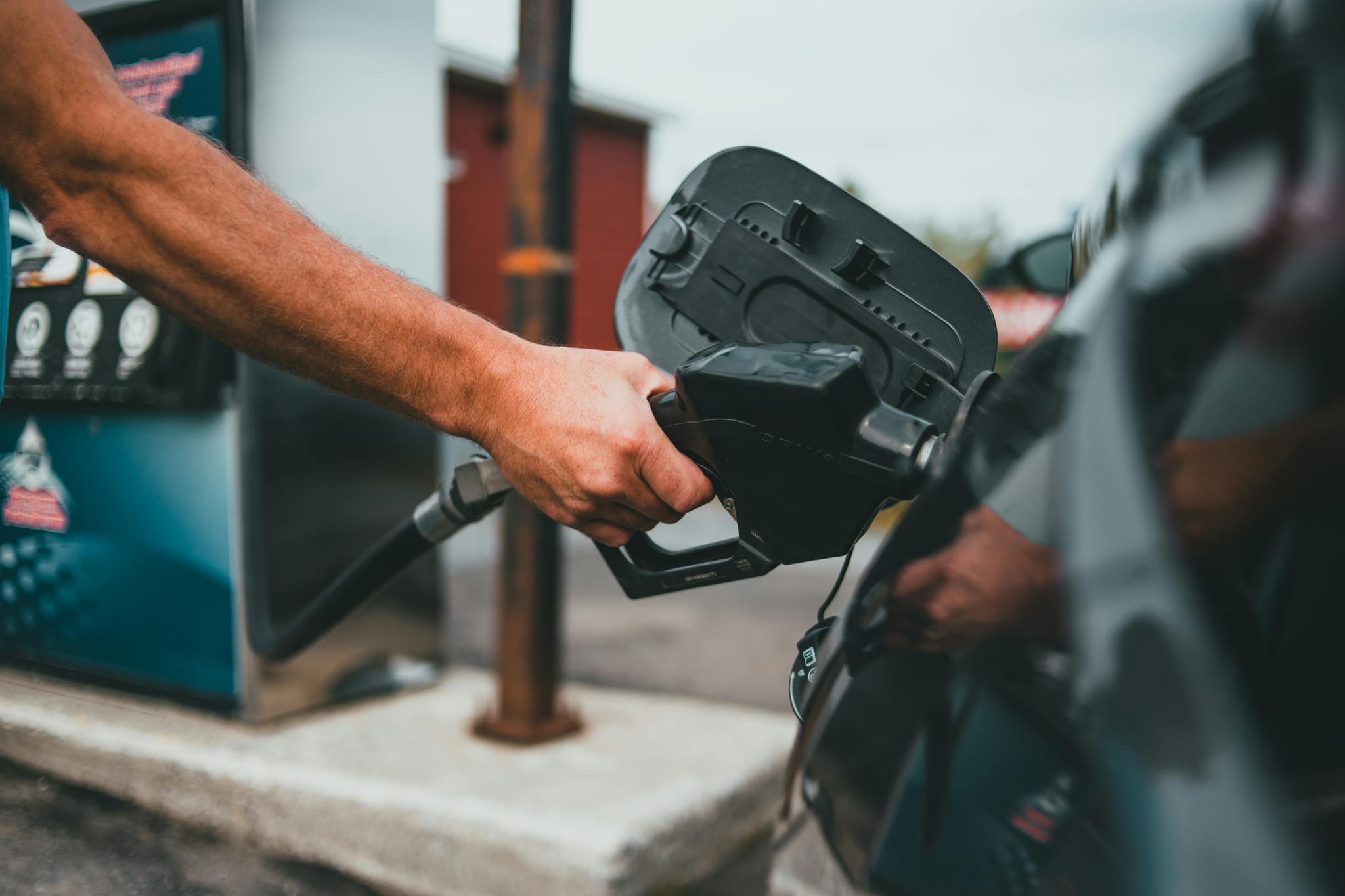
Putting diesel in petrol car fuel systems can quickly lead to performance issues because petrol engines are not designed to burn diesel fuel. Even a small amount of contamination can disrupt combustion and affect key engine components. The problem usually becomes noticeable either immediately after starting the engine or after a short period of driving.
Recognizing the early signs of Diesel in petrol car contamination is important to prevent serious engine damage and costly repairs.
Engine Struggles to Start
One of the earliest and most common signs of diesel in petrol car contamination is difficulty starting the engine.
Why starting becomes hard
Petrol engines rely on easy ignition, but diesel is thicker and less volatile. When diesel in petrol car fuel mix is present, the engine may:
- Crank longer than usual
- Struggle to ignite
- Fail to start completely
This happens because the fuel-air mixture is no longer suitable for proper combustion.
Rough Idling and Engine Vibration
Once the engine starts, performance issues often become noticeable immediately.
Unstable engine behavior
A vehicle affected by diesel in petrol car contamination may show:
- Shaking or vibration at idle
- Uneven engine speed
- Jerky movement when stationary
This is due to inconsistent fuel combustion inside the engine.
Loss of Power During Driving
A major sign of diesel in petrol car contamination is reduced engine performance while driving.
Slow acceleration
The vehicle may feel sluggish when accelerating because the fuel is not burning correctly.
Weak engine response
Drivers often notice:
- Delayed throttle response
- Reduced pulling power
- Difficulty climbing hills
This indicates diesel in petrol car contamination is affecting combustion efficiency.
Engine Misfiring
Misfiring is another strong indicator of fuel contamination.
What misfiring feels like
When diesel in petrol car fuel mix enters the system, the engine may:
- Hesitate during acceleration
- Produce uneven power delivery
- Feel like it is “stuttering”
Misfiring occurs because fuel is not igniting properly in each cylinder.
Excess Smoke from Exhaust
Visible exhaust smoke is a clear warning sign.
Unusual exhaust emissions
A vehicle affected by diesel in petrol car contamination may produce:
- Dark or grey smoke
- Strong fuel smell
- Increased exhaust fumes
This happens because diesel does not burn cleanly in petrol engines.
Fuel Smell Around the Vehicle
Another noticeable sign is a strong fuel odor.
Why the smell occurs
When diesel in petrol car contamination is present, unburnt fuel may exit through the exhaust or evaporate from the system, creating a strong smell.
Engine Warning Lights
Modern vehicles can detect fuel-related issues through sensors.
Dashboard alerts
When diesel in petrol car contamination affects combustion or fuel pressure, the engine management system may trigger:
- Check engine light
- Fuel system warnings
- Emission system alerts
These warnings should never be ignored.
Poor Fuel Efficiency
Fuel economy often drops noticeably after contamination.
Increased fuel consumption
Because diesel in petrol car mixture does not burn efficiently, the engine may use more fuel to produce less power.
Drivers may notice:
- Frequent refueling
- Reduced mileage per tank
- Poor overall efficiency
Engine Stalling
Stalling is a serious warning sign of contamination.
Sudden engine shutdown
A vehicle affected by diesel in petrol car contamination may:
- Stall while idling
- Shut off during driving
- Struggle to restart afterward
This happens when fuel delivery is disrupted.
Delayed Acceleration Response
Throttle response becomes noticeably slower.
Weak engine reaction
When diesel in petrol car contamination affects fuel flow, pressing the accelerator may result in:
- Slow acceleration
- Lagging response
- Unstable speed increase
This is a clear sign of combustion problems.
Spark Plug Problems
Spark plugs are critical for petrol engine ignition.
Fuel fouling
Diesel can coat spark plugs, leading to:
- Weak spark formation
- Ignition failure
- Engine hesitation
This is a common result of diesel in petrol car contamination.
Fuel System Noise
Unusual sounds may also indicate a problem.
Pump strain or irregular noise
When diesel in petrol car contamination reaches the fuel system, the pump may produce:
- Whining sounds
- Straining noise
- Irregular operation
This suggests the fuel system is under stress.
Engine Smokes and Runs Unevenly
As contamination worsens, engine behavior becomes unstable.
Irregular combustion cycles
A vehicle affected by diesel in petrol car contamination may run unevenly due to inconsistent fuel burning across cylinders.
Why These Signs Should Not Be Ignored
Ignoring early symptoms can lead to serious damage.
Risk of engine damage
If diesel in petrol car contamination is not addressed quickly, it can lead to:
- Fuel injector damage
- Spark plug failure
- Fuel pump strain
- Complete engine breakdown
What You Should Do Immediately
If you notice these signs:
Stop driving the vehicle
Do not continue driving if diesel in petrol car symptoms appear.
Turn off the engine
This prevents further contamination spread.
Call fuel drain specialists
Professional help is needed to safely remove contaminated fuel and inspect the system.
Conclusion
The signs of diesel in petrol car contamination include hard starting, rough idling, loss of power, excessive smoke, engine stalling, and warning lights. These symptoms indicate that the fuel system is not functioning correctly and immediate action is required.
Recognizing these early warning signs of diesel in petrol car issues can help prevent severe engine damage and reduce repair costs significantly.