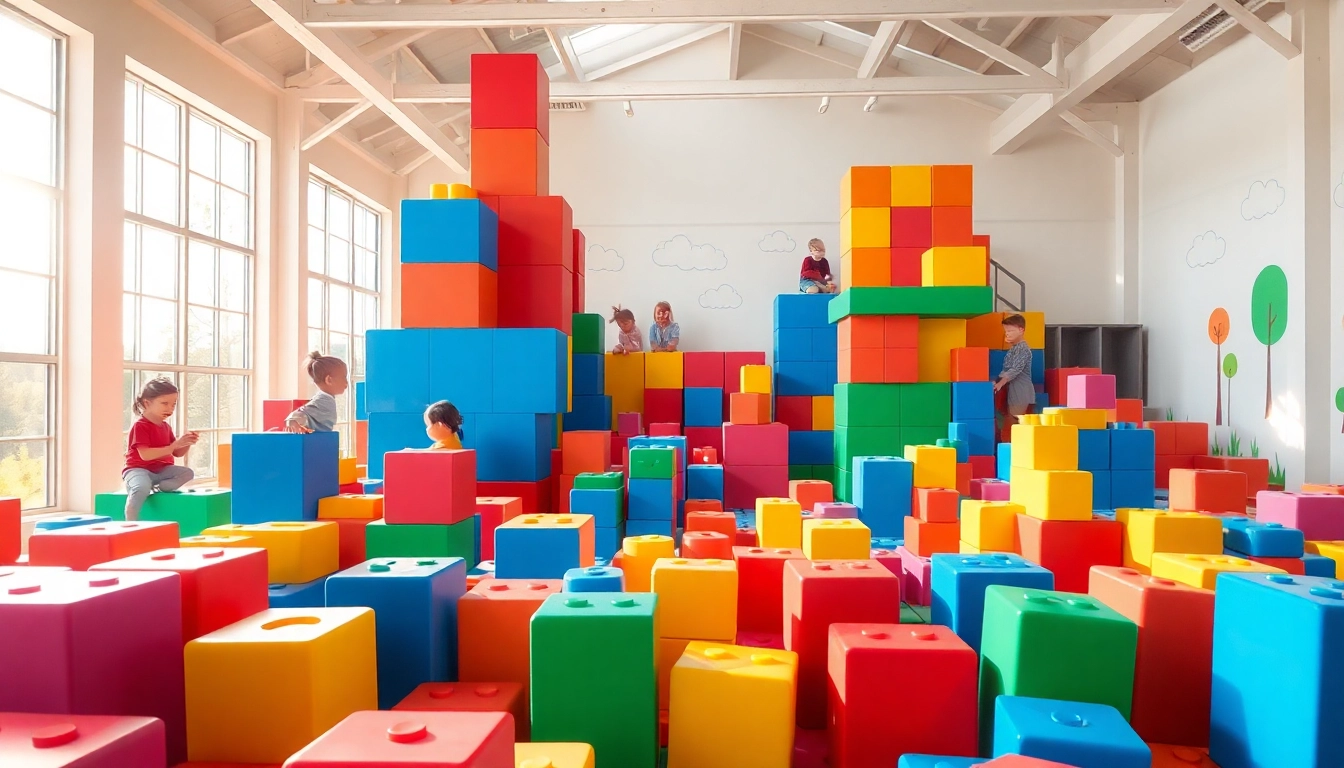
Understanding the Benefits of Giant Building Blocks
Giant building blocks are not just playthings; they are powerful tools for development and creativity. They encourage children to explore, imagine, and create, benefiting their growth in multiple dimensions. By investing in these versatile building blocks, parents can elevate their child’s play experience while fostering essential skills. For detailed insights into soft foam building blocks, get the details on making the best purchase decisions.
Physical Development Through Play
Physical development is crucial in early childhood, and giant building blocks provide an excellent platform for it. As children engage in stacking, moving, and building with these large pieces, they enhance their gross motor skills. Each lift and placement requires coordination, balance, and strength. By maneuvering these blocks, children exercise their muscles, improving their physical capabilities. Moreover, the tactile nature of the blocks encourages sensory exploration, allowing children to feel different textures while deepening their understanding of spatial relationships.
Cognitive Skills Enhanced by Building
The attributes of giant building blocks extend far beyond the physical realm. Cognitive development thrives through play, especially in problem-solving and critical thinking. As children engage in trial and error to create structures, they begin to understand cause and effect. This experiential learning lays the groundwork for STEM (Science, Technology, Engineering, Mathematics) principles. Children are often required to think creatively as they visualize their structures and consider how different shapes fit together. These cognitive challenges help nurture a mindset geared toward innovation and ingenuity.
Social Interaction and Teamwork
Playing with giant building blocks is inherently collaborative. When children build together, they learn vital social skills such as sharing, negotiation, and empathy. This teamwork fosters communication skills as they discuss their ideas and critique each other’s contributions. Through this shared experience, they cultivate friendships and learn the importance of working towards common goals. Establishing these social connections at a young age can shape their future interactions and collaborations, making them valuable team members in any context.
Choosing the Right Giant Building Blocks
Material Safety and Durability
When selecting giant building blocks, safety should be the foremost consideration. Soft foam blocks are popular due to their lightweight and cushioned structure, reducing the risk of injury when children tumble or fall against them. Parents should look for blocks that are free from harmful chemicals and BPA. Additionally, durability is vital as blocks are subjected to rigorous play. Quality construction will ensure that they withstand the rigors of enthusiastic building sessions while retaining their integrity over time.
Size and Shape Considerations
The variety of sizes and shapes available in giant building blocks can cater to different ages and play styles. Larger blocks are ideal for toddlers who are learning to stack, while smaller, more intricate blocks can offer challenges for older children. Shapes can also play a critical role in constructive play—cubes, rectangles, and triangles all serve different structural purposes. Assessing the play environment and the targeted age group will help in selecting the most effective options for engagement.
Age Appropriateness for Children
Age appropriateness is crucial when choosing building blocks. For younger children (ages 1-3), select blocks that are lightweight and easy to manipulate, ensuring they don’t pose choking hazards. As children grow and develop more advanced motor skills and cognitive capabilities, the complexity and size of the blocks can increase. Therefore, investing in a diverse set that meets evolving developmental stages can provide long-term benefits and sustained interest in play.
Fun and Engaging Play Ideas
Creating Themed Play Zones
Themed play zones offer children a bridge to imaginative scenarios. Parents can create specific areas, each with its own theme—like a castle, a spaceship, or an underwater world—using giant building blocks. This transformation brings storytelling to life, enhancing playtime with narrative adventures. Encourage children to build environments that support dramatic play, allowing them to explore different roles while honing their creativity and collaborative skills.
Incorporating Educational Activities
Giant building blocks can also double as educational tools. Incorporating math concepts, such as measurement and counting, can turn a fun activity into a learning experience. Children can weigh blocks, count them as they build, or sort them by color and size, integrating fundamental academic principles into play. For older children, incorporating physics through discussions about balance and stability can further enhance their understanding of real-world applications.
Outdoor Use: Expanding the Adventure
Giant building blocks are not limited to indoor play; they can be a fantastic addition to outdoor activities too. Children can expand their building adventures by creating structures in parks or backyards. Outdoor use allows for larger-scale projects and encourages physical activity as children run, climb, and explore. Additionally, natural settings inspire different forms of play, as children can integrate elements from their environment into their building designs.
Maintenance and Care for Building Blocks
Cleaning and Sanitizing Tips
Maintenance of giant building blocks is necessary to ensure safety and longevity. Regular cleaning with a mild soap solution can help remove dirt and grime. For deeper sanitation, especially in communal play settings, disinfecting sprays that are safe for children's toys should be used. After cleaning, place the blocks in a well-ventilated area to dry completely before storage.
Storing Your Building Blocks Safely
Safe storage of building blocks prevents damage and keeps play areas tidy. Use bins or dedicated shelves that allow easy access while protecting the blocks from environmental factors that can cause wear. It’s wise to encourage children to help in the clean-up process post-play to instill a sense of responsibility and organization regarding their toys.
Spotting Wear and Tear
Regularly inspecting the building blocks for signs of wear and tear is essential. Cracks, tears, or any signs of material degradation may pose safety hazards. If blocks show visible damage, they should be discarded or repaired if feasible. Understanding the signs of deterioration can ensure that children play with safe and functional building materials.
Frequently Asked Questions
What age group are giant building blocks suitable for?
Giant building blocks are generally suitable for children ages 1 and up, with varying sizes tailored for specific developmental stages.
How do you clean giant building blocks?
Giant building blocks can be cleaned with mild soap and water, or a non-toxic disinfectant is good for sanitizing before and after play.
Can giant building blocks be used outdoors?
Yes, giant building blocks are excellent for outdoor use, encouraging larger projects and active play in natural settings.
What are the best materials for safety?
Soft foam and high-density plastic are the best materials for safety, as they are durable yet cushioned to prevent injuries during play.
How do giant blocks support learning?
Giant blocks support learning by enhancing motor skills, spatial awareness, cognitive abilities, and fostering social interaction during collaborative play.